• HOME
  • Container Gardens
  • Houseplants
  • Edible Gardening
  • Garden Design
  • Caring for Your Yard
  • Flowers
  • Pest & Problem Fixes
  • Trees, Shrubs & Vines
  • Landscaping
  • Garden Plans
  • Gardening Routine
  • Terms of Use
  • About Us
  • Privacy Policy
elfenmodez.topelfenmodez.top
  • HOME
  • Container Gardens
  • Houseplants
  • Edible Gardening
  • Garden Design
  • Caring for Your Yard
  • Flowers
  • Pest & Problem Fixes
  • Trees, Shrubs & Vines
  • Landscaping
  • Garden Plans
  • Gardening Routine
elfenmodez.top elfenmodez.top
elfenmodez.top » Flowers » How and When to Fertilize Roses for Bigger, Brighter Blossoms
Flowers

How and When to Fertilize Roses for Bigger, Brighter Blossoms

9.4K
283
59
How and When to Fertilize Roses for Bigger, Brighter Blossoms

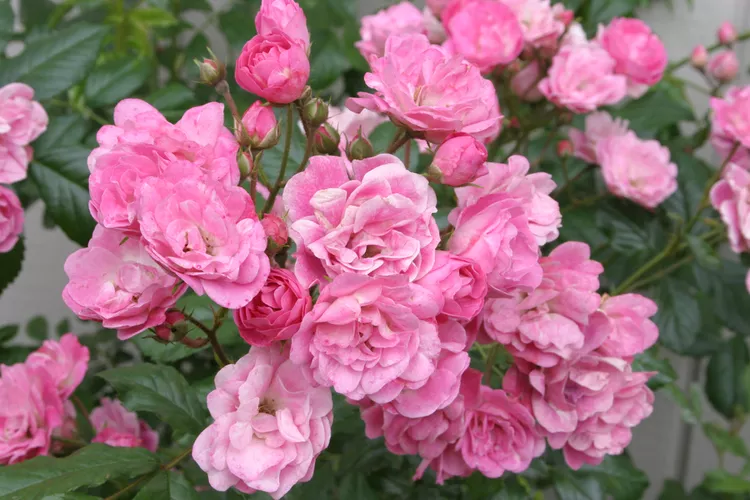
For the most part, roses are pretty tough plants that will grow and bloom without demanding much attention from you. But to enjoy the biggest blooms and healthiest growth, roses need more feeding than most flowering shrubs. Fortunately, providing the nutrients they need is easy, and you can do that organically or with synthetic fertilizer products. The key is to use the best rose fertilizer with the right balance of nutrients and to do so regularly. Knowing when to fertilize roses and keeping a consistent schedule will reward you with a garden filled with stunning, fragrant flowers.

Why Roses Need Fertilizing

Like all plants, roses need three primary nutrients: Nitrogen (the “N” on a fertilizer label), phosphorus (P), and potassium (K), plus several secondary and trace elements. Trace elements (boron, chlorine, copper, and iron) promote plant cell and root growth. Most garden soils provide some of these nutrients, but they become depleted as the plants grow and use them. That’s where you come in; adding nutrients back to the soil helps roses perform their best.

The Best Rose Fertilizers

Primary nutrients are available from both organic (derived from plant or animal life) and synthetic or inorganic materials. Fertilizers come in dry, liquid, or foliar spray form. Shop for a product labeled for roses and carefully read the directions for amounts and frequency of application. Remember that more is not better; excessive fertilization can damage plants or make them susceptible to disease and insect attack.

Organic Rose Fertilizers

Using organic sources of nutrients to feed roses has the benefit of being less likely to overload the soil with unnecessary chemicals. However, the nutrient concentration in organic products is generally lower than synthetic products, so more frequent applications are recommended. The tradeoff is that organic products also feed soil organisms and develop humus (organic material, usually from decomposing leaves or other plants), making the soil healthier for plant growth. Good options include:

  • Fish emulsion
  • Aged manures
  • Compost tea
  • Alfalfa meal
  • Bone meal

How and When to Fertilize Roses

Most roses need regular feeding throughout the growing season. But exactly how and when to fertilize roses depends on if they’re new or established plants, and if they are repeat blooming roses.

Newly Planted Roses

When adding a new rose plant to your garden, add compost to the hole at planting time. Then, provide a liquid fertilizer (synthetic or organic) about a month later, after they’re established.

Established Roses

Start feeding existing rose plants in spring when new growth is about 6 inches long. Provide a second feeding of liquid fertilizer after the first bloom.

Repeat-Blooming Roses

Fertilize repeat-blooming roses in spring as you would any other rose, then every 2-3 weeks until late summer.

Tips for Fertilizing Roses

  • It’s a good idea to do a soil test every few years, especially if your soil pH needs to be adjusted to keep your roses healthy. The results will help you figure out exactly which type of fertilizer and other soil amendments like garden lime that you need to add.
  • If conditions are dry, water your roses before feeding them, and keep them well hydrated afterward. This helps the plants absorb nutrients better and prevents fertilizer burn on roots and leaves.
  • Stop feeding about eight weeks before your average first frost date to avoid stimulating too much new growth that cold temperatures will damage.

Frequently Asked Questions

  • Are there any roses that don't need regular fertilizing?

    Yes, easy-care varieties of landscape or shrub roses will do just fine without fertilizing them regularly, other than giving them a dose of slow-release fertilizer in spring.

  • How much fertilizer do roses in pots need?

    Fertilize roses growing in pots more frequently than in-ground roses. This is because roses in pots have more limited soil volume to find nutrients, and are watered more frequently, which can wash nutrients away.

Related Posts

41.6K
2.9K
990

Can You Eat Ornamental Sweet Potato Vines? Here’s What to Know

33.7K
1.7K
843

9 Dish Garden Designs That Will Bring the Outdoors In

37.8K
3K
1.2K

6 Beginner Lawn Care Mistakes that Keep Lush Grass from Growing

16.4K
985
462

6 Little-Known Camellia Facts Explain Why This Shrub Is So Popular

43.6K
3.9K
2K

How to Plant and Grow Camellia

2.7K
270
67

9 Best Large Indoor Plants for Making a Big Statement

40.8K
3.7K
918

Should You Be Using Tap Water for Houseplants? Here's What Experts Say

47.6K
1.4K
570

How to Grow a Venus Flytrap as a Houseplant

49.7K
1.5K
566

How to Grow and Care for Cordyline Plants in Your Garden or Home

41.3K
2.1K
475

How Can I Stop Woodchucks From Eating My Flowers and Plants?

34.4K
3.4K
550

How to Keep Chipmunks Out of the Garden—and Squirrels, Too

31.4K
1.9K
866

How to Get Rid of Chipmunks in Your Yard

37.9K
757
348

How to Plant and Grow Watercress

4.1K
206
30

11 Small Vegetable Garden Ideas for Maximizing Your Homegrown Harvest

8.1K
730
262

Yes, Fruit Salad Trees Exist and Here’s How to Grow Them

25.4K
254
63

How to Plant and Grow a Tree Tomato (Tamarillo)

6.8K
478
86

Your Seasonal Lawn-Care Schedule for the Midwest

7.9K
314
150

The 25 Best White Flowers for Your Garden

30.4K
2.1K
915

Birds Will Flock to Your Garden When You Plant Grasses for Wildlife 

27.5K
1.6K
461

This Front Yard Prairie Garden Requires Almost No Maintenance

Can You Eat Ornamental Sweet Potato Vines? Here’s What to Know
9 Dish Garden Designs That Will Bring the Outdoors In
6 Beginner Lawn Care Mistakes that Keep Lush Grass from Growing
6 Little-Known Camellia Facts Explain Why This Shrub Is So Popular
How to Plant and Grow Camellia
9 Best Large Indoor Plants for Making a Big Statement
Should You Be Using Tap Water for Houseplants? Here's What Experts Say
How to Grow a Venus Flytrap as a Houseplant
How to Grow and Care for Cordyline Plants in Your Garden or Home
How Can I Stop Woodchucks From Eating My Flowers and Plants?
How to Keep Chipmunks Out of the Garden—and Squirrels, Too
How to Get Rid of Chipmunks in Your Yard
How to Plant and Grow Watercress
11 Small Vegetable Garden Ideas for Maximizing Your Homegrown Harvest
Yes, Fruit Salad Trees Exist and Here’s How to Grow Them
How to Plant and Grow a Tree Tomato (Tamarillo)
Your Seasonal Lawn-Care Schedule for the Midwest
The 25 Best White Flowers for Your Garden
Birds Will Flock to Your Garden When You Plant Grasses for Wildlife 
This Front Yard Prairie Garden Requires Almost No Maintenance
elfenmodez.top ©2026
  • Terms of Use
  • About Us
  • Privacy Policy