
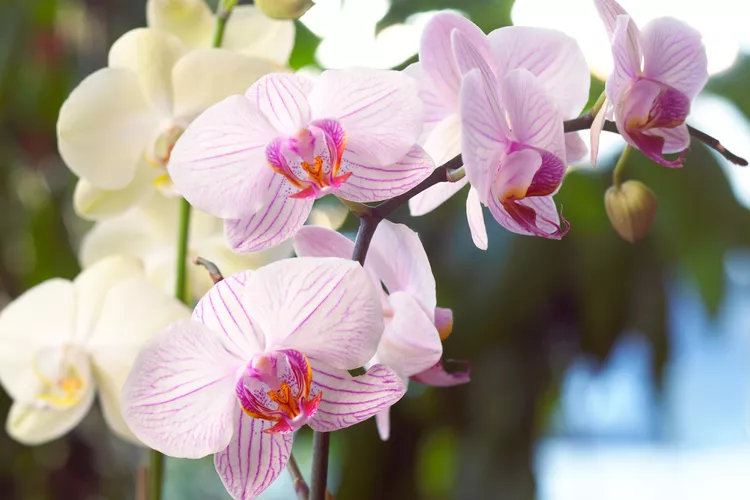
Moth orchids (Phalaenopsis spp.) are among the most popular orchid varieties, thanks to their easy care and long-lasting, colorful flowers. But if you have one of these orchids that has stopped flowering, there’s no need to toss it in the trash. Here's how to get your moth orchid to rebloom so you can enjoy more show-stopping flowers in almost any season.
How Often Do Orchids Bloom?
In the wild, moth orchids bloom just once a year in spring and summer. However, when these orchids are grown indoors, they can bloom multiple times a year–potentially every 3 to 6 months. But if you want orchids to reflower, it’s important that you maintain the health of your plants and allow orchids to briefly rest in a state of dormancy before they flower again.
When to Remove the Old Flower Spike
Moth orchids bloom on slender flower spikes and those flower spikes can sometimes bloom more than once. Encouraging plants to bloom on an existing flower spike will help you get new orchid flowers much faster; however, if the orchid’s flower spike is past its prime, it’s best to remove it from the plant to keep the old spike from sapping your orchid of energy.
Knowing whether or not to remove an orchid flower spike can be tricky, but there are few key signs to look for that will let you know if a flower spike will bloom again. If flower spikes sport small buds, which look a bit like a closed fist, leave the spike in place to rebloom. Flower spikes that are green without visible buds can also sometimes rebloom, but if the spike has started to wither or turn brown, clip it off at the base of the plant so your orchid can conserve its energy.
Plant parents can sometimes confuse orchid aerial roots for flower spikes, but orchid roots are lighter in color and they have rounded tips. There’s usually no need to remove an orchid’s aerial roots, but if there are a lot of exposed aerial roots on your plant, you may want to consider repotting your orchid.
Tips for Orchid Care After Blooming
Like most other plants, orchids require a period of dormancy or rest before they flower again. Many plant parents assume orchids are failing when they go dormant and they throw their plants away, but dormant orchids will flower again and again if you give them the time to do so. Left on their own,
most moth orchids will flower once a year, but you can shorten this dormancy period and “trick” orchids into flowering sooner by following the easy tips below.
1. Remove the dead flower spike.
After your orchid has finished flowering, inspect the spent flower spike carefully for any signs of buds. Green flower spikes without buds will sometimes flower again, but if the flower spike has begun to wither or turn brown, cut the flower spike off at the base of the plant using a pair of clean and sterilized scissors.
2. Repot the orchid.
Repotting moth orchids can improve the health of your plant and make flowering more likely, especially if you’ve never repotted your orchid before. Store-bought moth orchids are often potted in moss and placed in plastic containers, which retain too much moisture and can cause orchid roots to rot. But this can be avoided by repotting orchids into a pot with drainage holes and using a bark-based, orchid potting mix that allows water to drain freely.
3. Provide regular care.
To help your orchid store up energy to rebloom, place your plant in a spot that receives bright, but indirect light and keep your plant at a standard room temperature of between 65 and 85°F. Water your orchid regularly and you may want to boost humidity near your plants by adding a humidifier or a pebble tray. About once a month, provide an organic, liquid fertilizer diluted to ¼ strength to help encourage your orchid to rebloom.
4. Lower the temperature.
After a few months, your orchid should produce a new leaf or two, which is a sign that the plant is ready to flower again. When your orchid has at least one new, full-sized leaf, move your orchid to a cool location where nighttime temperatures drop to 55 to 65°F. Continue to provide your plant with adequate light and water in its new growing location.
Cooling orchids can be done in several ways, but the easiest option is to move your orchid near a cool window during fall or winter. If temperatures permit, you can also place your orchid outdoors where temperatures are cooler, but remember to keep your orchid from getting too chilly.
5. Look for a new orchid flower spike.
Exposing orchids to cool, nighttime temperatures usually jumpstarts reblooming and you will often see a new flower spike emerge within a month. Flower spikes are slender and they have knobby ends that looks like a closed fist or a mitten. If you don’t see a flower spike form within a month or two, move your orchid to a new location to see if your plant will grow better in that spot.
When you see the beginnings of a new flower spike appear, move your orchid back to its original growing location and care for your plant as usual. Flower spikes need extra support as they grow and they will need to be gently clipped to a stake when they reach approximately 5 inches long.