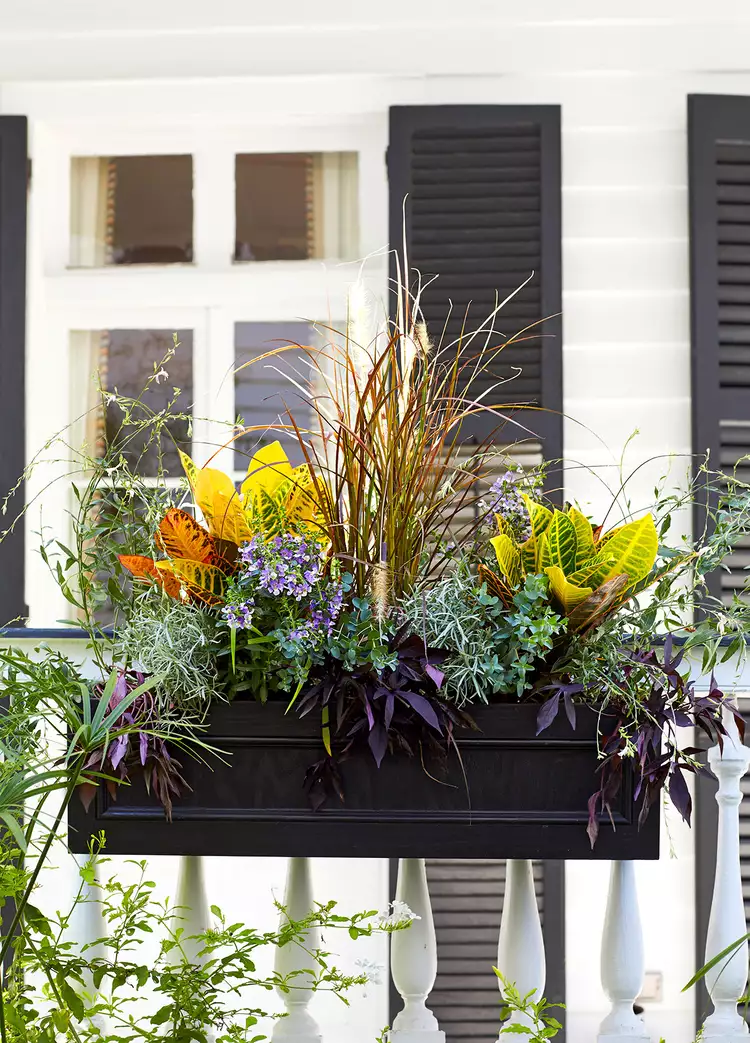
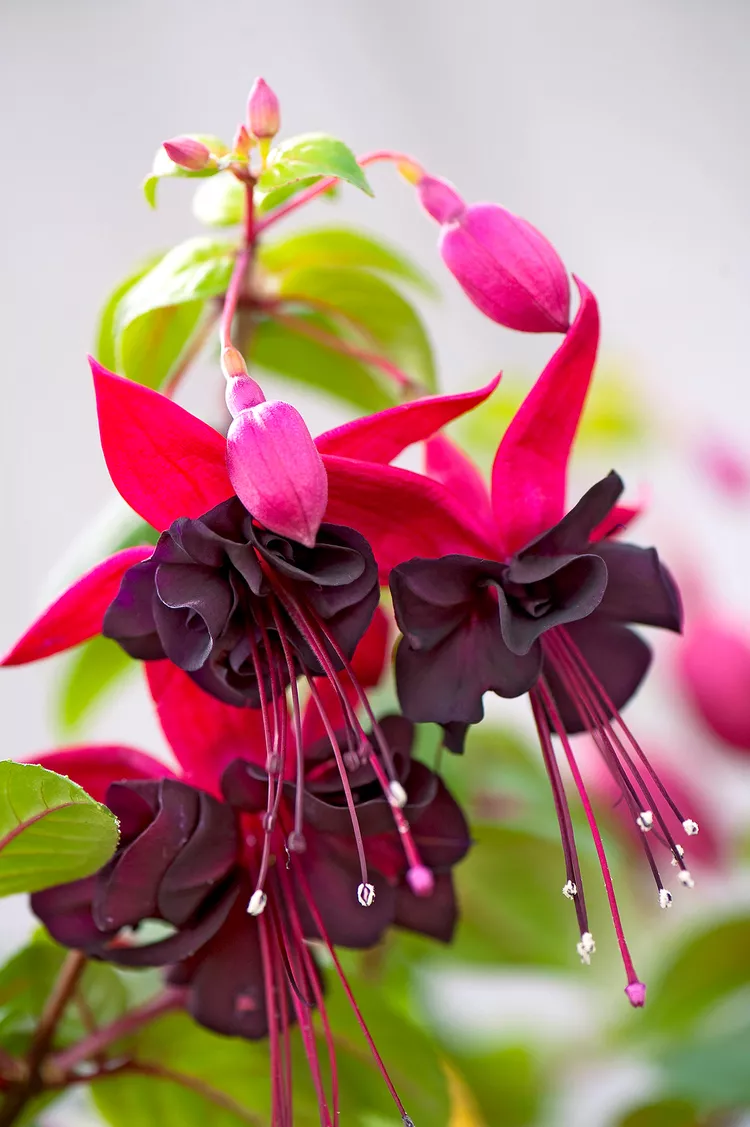
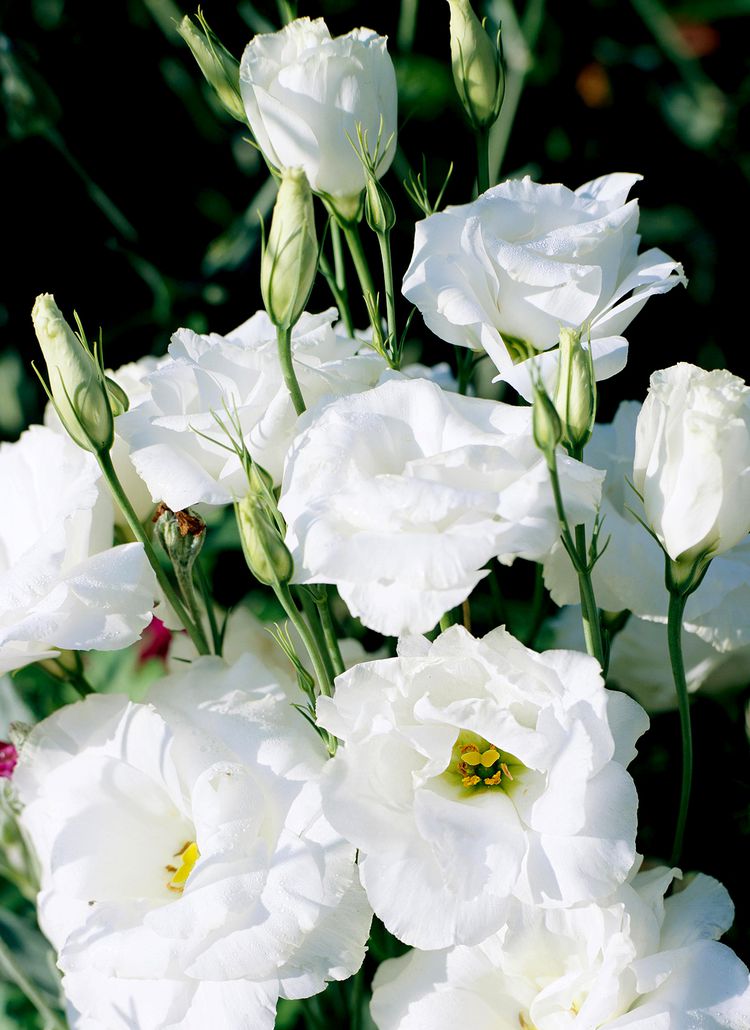
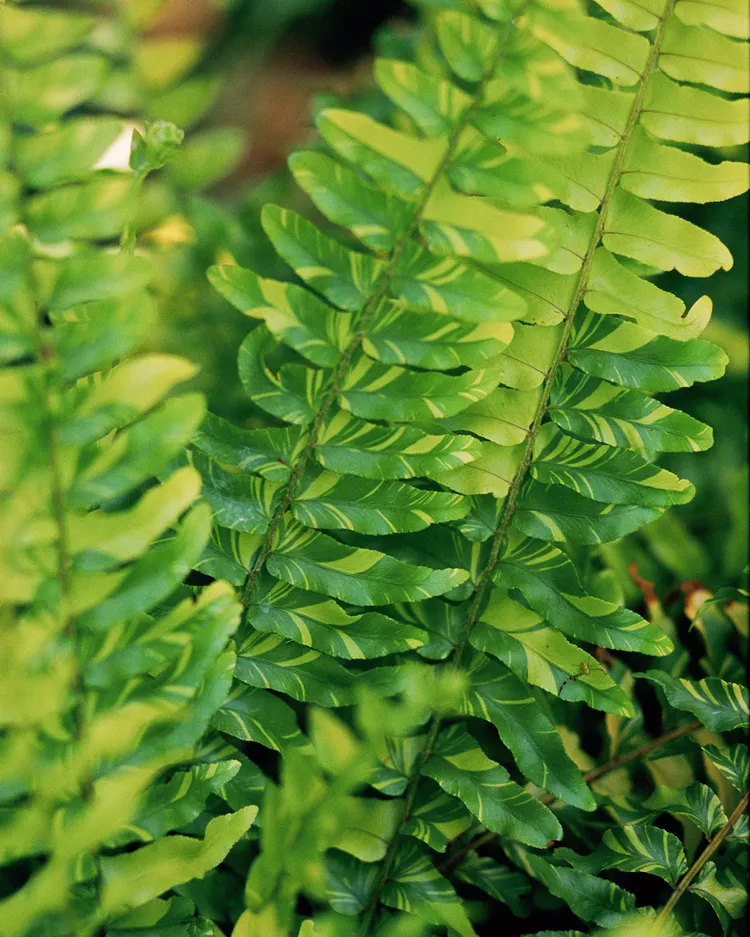
Good soil is the key to success in any garden, but with containers it's even more important because your plants are growing in a restricted environment. So, don't be tempted by inexpensive, off-brand potting soils that may harm your plants more than help. Remember, any soil can be labeled "potting soil," so read the label before you buy. Good-quality potting soils will provide good drainage, supply plant nutrients, and retain moisture during dry spells. Also, a good soil should be sterile with no weed or disease pathogens that can cause problems down the line. A potting mix based on aged organic compost mixed with sphagnum moss, vermiculite, or perlite is a good bet. And never use soil directly from your garden. Even the best topsoil in the world dries out too quickly for container use.
Mistake No. 2: Picking the wrong pot
There are an almost unlimited selection of pots and containers to choose from. However, you should avoid any without drainage holes in the bottom so excess moisture won't build up in the soil. Also, remember that clay pots are a natural material that breathes, so they will dry out faster than ceramic or plastic pots. Use clay pots for plants that don't mind life on the dry side, such as succulents or cactus. Clay pots will work well for other plants, too, but you will have to water more often. Small pots can also be a problem because they don't hold much soil and dry out really fast. The larger the container you have, the better. And never plant anything that grows more than 18 inches tall in a pot that's 12 inches in diameter or less. Tall flowers and vegetables need plenty of soil to grow in to help prevent them from toppling over.
Mistake No. 3: Forgetting to water
Lack of water is probably the number one reason container gardens fail. As a general rule, most containers need daily watering except during times of extreme rainfall or during the spring and fall when the weather is cool and cloudy. If you travel a lot, it's smart to set up a drip irrigation system on a timer to water your pots while you are gone. Or, choose plants that don't mind dry conditions and forget about growing flowers or vegetables with more thirsty constitutions. By the way, overwatering containers is generally not a problem unless you use pots without drainage holes.
Mistake No. 4: Combining sun and shade plants
The old phrase "birds of a feather flock together" applies to plants as well as your avian neighbors. Sun-loving flowers should never be mixed with shade plants and vice versa. Shade-dwellers such as impatiens, for example, may look pretty when you first pair them with a sun-loving geranium or marigold, but eventually one of these plants will fail, depending on the amount of light the container receives. If you are buying a preplanted container, look the pot over carefully before you buy because sometimes these mixes contain a poorly thought out combination of shade- and sun-loving plants. Always read the plant tag if you are unsure of a plant's light requirements.
Mistake No. 5: Starving your plants
Container-grown flowers and vegetables get hungry. Because they can't break through their pot to find nourishment in the ground, you need to give them a meal now and again to keep the flowers or produce coming. Underfed plants often develop yellow leaves and stop blooming. To keep your plants happy, feed them with a little liquid fertilizer every 10 days or so (follow label directions). Your potting mix may also contain slow-release fertilizer, but it's still smart to offer an extra meal of liquid plant food
Mistake Six: Mixing spring and summer plants
Some plants like cool weather, while others thrive when the temperatures soar. If you want a colorful garden in the spring or fall, look for varieties that prefer chilly temperatures and be prepared to toss them once the weather heats up. Conversely, hot-weather species will sulk during cool weather and might even die. That's why you should never try to mix both types in the same pot because at any given time, one group will look bad while the others shine. Cool-weather flowers, such as pansy and snapdragon, are happier together than when they are forced to share space with heat-loving plants, such as zinnias and verbena.
Mistake No.7: Exposing plants to wind
There's nothing sadder than seeing a lush hanging basket slowly dying as it's blown back and forth by a hot wind. Plants are not superheroes. They can't tolerate really tough conditions and still look like they did the day you brought them home from the garden center. Avoid placing hanging baskets in open, windy locations, and don't expect a flower-filled urn or pot to thank you after being left to fend for itself in an exposed location. Check your pots frequently and move them to a less stressful spot if it looks like they are having a tough day.
Mistake No. 8: Letting things go wild
Like people, flowers look and feel a lot better when they have a spa day. Left to their own devices, most flowers will eventually look a bit ratty without a little bit of extra attention. First, remove the flowers as they fade. This will give the plants a better appearance and promote the development of additional blooms. Then, use scissors or pruners to cut back long, leggy growth, especially from trailing plants, such as petunias or sweet alyssum. Shearing plants creates a cleaner look and encourages the plant to sprout new, more compact growth from the center.
Mistake No. 9: Buying instant gratification
If you are in the market for a premade basket or container, look for those that aren't completely filled out. Garden centers often sell spectacular planters in full bloom, but often these pots already have their best days behind them. The younger and fresher the container, the longer you'll be able to enjoy it. They may not be in full bloom at the time, but they'll have a longer life once you bring them home. Don't be tempted by the flashiest, fullest pot on the rack.
Mistake No. 10: Expecting too much
Annual flowers and vegetables are not redwoods; they have finite lifespans and are easily replaced once they die. Trying to keep a plant alive past its expiration date is a lesson in futility. Plus, your container will look terrible with half-dead plants hanging over the side. Be merciless and pull out any plant that's no longer holding its own. Just pop out the dying plants and replace them with young, fresh specimens. There's no room for sentimentality when it comes to container gardening.