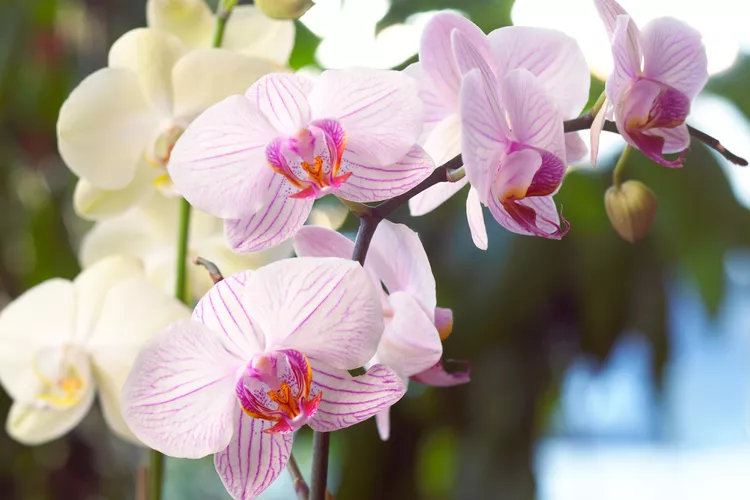
How to Get Orchids to Rebloom with These 5 Must-Know Tips

28.4K
1.7K
408
2025-11-06
How to Get Orchids to Rebloom with These 5 Must-Know Tips

Moth orchids (Phalaenopsis spp.) are among the most popular orchid varieties, thanks to their easy care and long-lasting, colorful flowers. But if you have one of these orchids that has stopped flowering, there’s no need to toss it in the trash. Here's how to get your moth orchid to rebloom so you can enjoy more show-stopping flowers in almost any season.

How Often Do Orchids Bloom?

In the wild, moth orchids bloom just once a year in spring and summer. However, when these orchids are grown indoors, they can bloom multiple times a year–potentially every 3 to 6 months. But if you want orchids to reflower, it’s important that you maintain the health of your plants and allow orchids to briefly rest in a state of dormancy before they flower again.

When to Remove the Old Flower Spike

Moth orchids bloom on slender flower spikes and those flower spikes can sometimes bloom more than once. Encouraging plants to bloom on an existing flower spike will help you get new orchid flowers much faster; however, if the orchid’s flower spike is past its prime, it’s best to remove it from the plant to keep the old spike from sapping your orchid of energy.

Knowing whether or not to remove an orchid flower spike can be tricky, but there are few key signs to look for that will let you know if a flower spike will bloom again. If flower spikes sport small buds, which look a bit like a closed fist, leave the spike in place to rebloom. Flower spikes that are green without visible buds can also sometimes rebloom, but if the spike has started to wither or turn brown, clip it off at the base of the plant so your orchid can conserve its energy.

Plant parents can sometimes confuse orchid aerial roots for flower spikes, but orchid roots are lighter in color and they have rounded tips. There’s usually no need to remove an orchid’s aerial roots, but if there are a lot of exposed aerial roots on your plant, you may want to consider repotting your orchid.

Tips for Orchid Care After Blooming

Like most other plants, orchids require a period of dormancy or rest before they flower again. Many plant parents assume orchids are failing when they go dormant and they throw their plants away, but dormant orchids will flower again and again if you give them the time to do so. Left on their own,
most moth orchids will flower once a year, but you can shorten this dormancy period and “trick” orchids into flowering sooner by following the easy tips below.

1. Remove the dead flower spike.

After your orchid has finished flowering, inspect the spent flower spike carefully for any signs of buds. Green flower spikes without buds will sometimes flower again, but if the flower spike has begun to wither or turn brown, cut the flower spike off at the base of the plant using a pair of clean and sterilized scissors.

2. Repot the orchid.

Repotting moth orchids can improve the health of your plant and make flowering more likely, especially if you’ve never repotted your orchid before. Store-bought moth orchids are often potted in moss and placed in plastic containers, which retain too much moisture and can cause orchid roots to rot. But this can be avoided by repotting orchids into a pot with drainage holes and using a bark-based, orchid potting mix that allows water to drain freely.

3. Provide regular care.

To help your orchid store up energy to rebloom, place your plant in a spot that receives bright, but indirect light and keep your plant at a standard room temperature of between 65 and 85°F. Water your orchid regularly and you may want to boost humidity near your plants by adding a humidifier or a pebble tray. About once a month, provide an organic, liquid fertilizer diluted to ¼ strength to help encourage your orchid to rebloom.

4. Lower the temperature.

After a few months, your orchid should produce a new leaf or two, which is a sign that the plant is ready to flower again. When your orchid has at least one new, full-sized leaf, move your orchid to a cool location where nighttime temperatures drop to 55 to 65°F. Continue to provide your plant with adequate light and water in its new growing location.

Cooling orchids can be done in several ways, but the easiest option is to move your orchid near a cool window during fall or winter. If temperatures permit, you can also place your orchid outdoors where temperatures are cooler, but remember to keep your orchid from getting too chilly.

5. Look for a new orchid flower spike.

Exposing orchids to cool, nighttime temperatures usually jumpstarts reblooming and you will often see a new flower spike emerge within a month. Flower spikes are slender and they have knobby ends that looks like a closed fist or a mitten. If you don’t see a flower spike form within a month or two, move your orchid to a new location to see if your plant will grow better in that spot.

When you see the beginnings of a new flower spike appear, move your orchid back to its original growing location and care for your plant as usual. Flower spikes need extra support as they grow and they will need to be gently clipped to a stake when they reach approximately 5 inches long.
Frequently Asked Questions

  • Do moth orchids like to be misted?

    Orchids love extra humidity and they grow best when humidity levels are between 40 and 60%. Misting orchids can temporarily boost humidity levels, but it doesn’t do much to increase humidity around your plant in the long run. A better option is to place orchids near a humidifier or on a pebble tray, which sustain humidity levels longer.

  • What is the best fertilizer for potted orchids?

    Fertilizers especially developed for orchids can help maintain the health and growth of orchid plants. However, organic, liquid fertilizers made with kelp or fish emulsion also work well for orchids, but they may need to be diluted to ½ to ¼ strength before use.

  • How long will an orchid continue to rebloom?

    When properly maintained, moth orchids can live for 15 to 20 years and they will often bloom once or twice a year with minimal effort.

Related Article

19 Colorful Window Box Ideas to Brighten Up Your Exterior
3K
301
48

19 Colorful Window Box Ideas to Brighten Up Your Exterior

Use these window box ideas for a no-fail way to dress up your home. We share the right plant combinations to create maximum curb appeal.
Container Gardening for Beginners: 10 Must-Know Tips
46.3K
1.4K
416

Container Gardening for Beginners: 10 Must-Know Tips

Use these container gardening tips for beginners to successfully grow potted plants outdoors.
9 Colorful Plants That Will Thrive on Your Balcony
12.2K
489
58

9 Colorful Plants That Will Thrive on Your Balcony

These balcony plants adapt well to life in a container, and hold up well in the increased heat and wind of their elevated location.
How to Plant and Grow Lisianthus
2.4K
118
47

How to Plant and Grow Lisianthus

Lisianthus flowers come in various romantic colors and add an elegant touch to any garden or floral arrangement.
How to Plant and Grow a Christmas Fern
10.1K
606
254

How to Plant and Grow a Christmas Fern

Learn how to grow Christmas fern, an evergreen perennial that is leafy and green in the deepest winter.
How to Plant and Grow Perennial Peanut
22.3K
1.6K
420

How to Plant and Grow Perennial Peanut

Learn how to grow perennial peanuts for erosion control, weed suppression, and a low maintenance lawn.
How to Prune Roses for Healthier Plants and More Flowers
7.3K
220
105

How to Prune Roses for Healthier Plants and More Flowers

Learn how to prune roses properly so you can keep your rose shrubs, climbers, heirlooms, or modern hybrid roses looking their best through the years.
Garden Privacy Ideas that Incorporate Landscaping and Hardscaping
10.1K
101
43

Garden Privacy Ideas that Incorporate Landscaping and Hardscaping

Check out these garden privacy ideas that include landscaping and hardscaping for creating a beautiful and private oasis in your yard.
How to Prune Basil to Boost Your Harvest
35.5K
354
169

How to Prune Basil to Boost Your Harvest

Learn how to prune basil correctly to delay flowering, encourage more leaves to grow, and take cuttings.
How to Plant and Grow Pineapple Sage
9.5K
569
91

How to Plant and Grow Pineapple Sage

Read this guide to learn how to plant and grow pineapple sage in herb gardens or pollinator habitats!
13 Fast-Growing Trees for a Privacy Screen in Your Yard
42.4K
423
59

13 Fast-Growing Trees for a Privacy Screen in Your Yard

Plant these fast-growing trees and enjoy the beauty—and privacy—of a lush living fence in just a few years.
How to Plant and Grow Purple Hyacinth Bean Vine
33.2K
3.3K
331

How to Plant and Grow Purple Hyacinth Bean Vine

Learn how to grow purple hyacinth bean vine, including planting and care tips, dealing with pests, and propagation.
30 Best Native Plants for Southern Gardens That Thrive in the Heat
11.5K
461
207

30 Best Native Plants for Southern Gardens That Thrive in the Heat

Discover the best native plants for Southern gardens that thrive in local climates. Enhance your landscape with these beautiful, low-maintenance, and eco-friendly options.
Best Plants for Mississippi Landscapes
10K
400
80

Best Plants for Mississippi Landscapes

These award-winning plants are proven successes in landscapes throughout Mississippi and the South.
What Are Cover Crops? And How to Plant Them in Your Home Garden
46.4K
2.8K
1.4K

What Are Cover Crops? And How to Plant Them in Your Home Garden

These step-by-step instructions will help you feed your soil and beat weeds naturally.
How to Make a Mowing Strip
16.4K
655
235

How to Make a Mowing Strip

Leave a 6- to 12-inch-wide mowing strip between the edge of your beds and borders and the lawn. It will help you save time and effort in the garden.
What You Need to Know About Winterizing a Lawn
11.7K
701
196

What You Need to Know About Winterizing a Lawn

Get a jumpstart on a lush, healthy lawn next spring with this guide on winterizing a lawn. Plus, get your lawn mower ready for winter storage.
Enjoy Homegrown Produce With This Large-Scale Vegetable Garden Plan
49.8K
2.5K
1.2K

Enjoy Homegrown Produce With This Large-Scale Vegetable Garden Plan

If you've never planted a large vegetable garden before, you'll want to try out our large vegetable garden layout plans. We'll help you know how to select cold season vs. warm season vegetables and where to plant them for maximum effect.
This Easy-Care Butterfly Garden Plan Will Attract Tons of Pollinators
31.8K
1.6K
636

This Easy-Care Butterfly Garden Plan Will Attract Tons of Pollinators

Use this gorgeous butterfly garden plan to create a bed of flowers that will bring beautiful and beneficial insects to your garden.
This Annual Garden for Full Sun Will Fill Your Yard with Color
17.9K
715
164

This Annual Garden for Full Sun Will Fill Your Yard with Color

Create an easy-care bed of flowers that will look gorgeous from spring until frost.