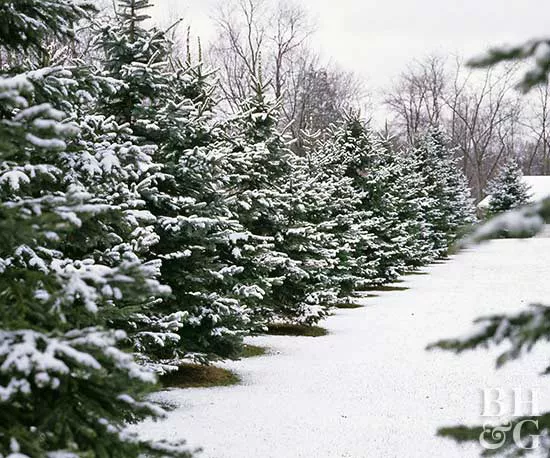
Most trees take 20 to 40 years to reach maturity, but fast-growing trees grow as much as 1 to 4 feet per year. Some can reach 50 feet tall in as little as 15 to 25 years, offering shade, privacy, or a windbreak to your yard much quicker than slow-growing cedar, ginkgo, or white oak trees. Of course, that speedy growth often requires some thoughtful placement and additional maintenance. However, when done right, fast-growing trees can provide decades of beauty to your yard.
What to Know About Fast-Growing Trees
With the right placement and care, fast-growing trees can give your home and yard a new look relatively quickly. The trade-off for that speedy growth is a limited life span. Fast-growing trees often start declining soon after they reach maturity. The wood of fast-growing trees is also more prone to breaking in storms, so you need to prune them regularly to help keep them under control.
Before you plant one of these selections, consider its mature size. Avoid planting your tree close to septic lines and sidewalks where vigorous roots could cause problems. Also, choose a planting location well away from utility lines, homes, and driveways to minimize damage if large branches (or trunks) break during storms.
Bald Cypress
A good choice for wet or swampy sites, bald cypress (Taxodium distichum) has few insect or disease problems. It is also one of the few trees that tolerate standing water. Bald cypress grows 18 to 24 inches annually and can reach up to 100 feet tall and 40 feet wide. It is native to North America and grows best with full sun in Hardiness Zones 5-10. A deciduous conifer, bald cypress bears needle-like foliage that turns russet red in late fall before dropping to expose attractive reddish-brown bark.
Chinese Tallow Tree
Chinese tallow trees (Sapium sebiferum) grow 12 to 18 inches per year and can eventually reach up to 40 feet tall. The highly adaptable trees grow best in Zones 8-10 with full sun and well-drained soil. Chinese tallow trees—a good replacement for poplars in warmer regions—are especially beautiful when the leaves turn color in the fall.
Chinese tallow trees have a lovely, oval-shaped canopy that is nice for shade. However, it’s best to avoid placing them near decks, patios, or terraces as they drop a lot of flowers and fruits throughout the year. Instead, boost privacy with this fast-growing tree by placing it in the back corner of your landscape.
Test Garden Tip
Check local restrictions before planting; some regions consider Chinese tallow tree invasive.
Cottonwoods and Lombardy Poplars
Known for growing along rivers and other moist areas of the eastern United States, cottonwoods (Populus deltoides) are also—unfortunately—known for their brittle, weak wood. That’s because the fast-growing tree grows 3 to 4 feet per year, sometimes reaching up to 70 feet tall. Cottonwood care varies depending on the variety you plant, but generally, they’ll grow in Zones 3-9 with full sun or partial shade and well-drained soil.
Their relatives, Lombardy poplars (Populus nigra var. italica), named for the Italian region where they originated, can grow as much as 6 feet annually. They are often used as 40- to 50-foot-tall screens. Both Lombardy poplars and cottonwoods are pretty but messy and prone to issues with pests and diseases.
Test Garden Tip
Check local restrictions before planting; some regions consider cottonwoods and Lombardy poplars invasive.
Dawn Redwood
Dawn redwood (Metasequoia glyptostroboides) grows about 2 feet per year and averages around 80 feet tall and 25 feet wide at maturity. So, the fast-growing tree is perfect for adding privacy in the corner of a large residential lot. It looks like an evergreen tree with soft, fine needles during the growing season. In autumn, however, the needles turn shades of red and brown. Come winter, the needles drop, exposing the tree’s upswept symmetrical branches and bark. Dawn redwood grows best in Zones 4-8 in moist or wet soil in full sun.
European Black Alder
Ideal for low, wet spots in the landscape where other trees usually don’t survive, European black alder (Alnus glutinosa) is native to most areas of Europe. This fast-growing tree has an extensive root system that can stretch over 16 feet, so avoid planting near sidewalks and sewer lines. European black alder grows quickly when young but eventually slows to 12 to 15 inches annually. At maturity, it typically reaches 40 to 60 feet tall and 20 to 40 feet wide. Plant European black alder in damp soil with full sun or partial shade in Zones 4-8.
Test Garden Tip
Check local restrictions before planting; some regions consider European black alder invasive.
Gum
Strong, vigorous growers, gum trees (Eucalyptus spp.) can anchor a western landscape. There are hundreds of species of gum trees ranging from 25 to 70 feet tall, but they don’t grow well in the high heat and humidity of the southeast. In Zones 9-10, gum trees grow 2 to 3 feet per year, making them an excellent fast-growing tree for privacy and shade. Plant gum trees in a spot with full sun in well-drained soil where their fallen leaf and stem debris won’t cause problems.
Japanese Pagoda Tree
The Japanese pagoda tree (Sophora japonica or Styphnolobium japonicum) doesn’t need much care to produce a wide crown of green foliage and creamy, fragrant summer flowers. The fast-growing tree, native to China and Japan, flourishes in a limited range in the United States. In Zones 6-8 and temperate areas of Zone 5, it grows 12 to 15 inches annually and can reach 75 feet tall and wide at maturity. Japanese pagoda trees are favored in city landscapes for their resistance to heat, pollution, and drought. They tolerate full sun or partial shade and need rich, well-drained soil to thrive.
Lemon Bottlebrush
Lemon bottlebrush (Callistemon citrinus) is technically a shrub, but it shoots up at a rate of 10 to 15 inches per year, eventually reaching 25 feet tall. Through late spring and summer in Zones 9-10, the bright, brush-like, lemon-scented blooms of the lemon bottlebrush tree attract hummingbirds and bees. Lemon bottlebrush is tolerant of southern heat and drought but can be grown in northern climates in large containers if brought in for winter. To help it thrive, place a lemon bottlebrush in full sun or partial shade in well-drained soil.
Leyland Cypress
You can use Leyland cypress (Cupressocyparis leylandii) as an individual tree or plant it in groups for a tall, fast-growing hedge for privacy and screening. It grows 1 to 3 feet per year, sometimes reaching 50 to 70 feet tall. Leyland cypress prefers full sun and well-drained soil in Zones 7-10. If you don’t want it to reach towering heights, prune it regularly to keep the size under control.
Silver Maple and Red Maple
One of the most common trees in the United States, the silver maple (Acer saccharinum), is native to the eastern part of North America. It grows 1 to 2 feet per year, often reaching up to 100 feet tall and 70 feet wide. The silver maple is a common shade tree, but unfortunately, it has shallow roots and weak branches.
Its cousin, the red maple (Acer rubrum), also native to North America, is known for its stunning fall foliage color. Red maples grow smaller: 50 feet tall and 40 feet wide. Plant red and silver maples in full sun or partial shade with well-drained soil in Zones 3-9.
Tulip Tree
Known for their tulip-like yellow-orange spring flowers, tulip trees (Liriodendron tulipifera) bear waxy green leaves that give way to stunning yellow-gold fall foliage. The fast-growing trees grow 15 to 18 inches per year and can reach up to 100 feet tall. The wood is weak, but you can train young trees to develop wide, strong branch angles to prevent splitting. Tulip trees grow best in Zones 5-9 with full sun or partial shade and well-drained soil.
Eastern White Pine
With silky, fine-texture pine needles and long, graceful branches, North American native Eastern white pines (Pinus strobus) are fast-growing trees famous for their elegant appearance. They grow 12 to 15 inches annually and can reach 100 feet tall. Grow in full sun in Zones 3-8 with well-drained soil.
Southern Catalpa
An old-fashioned shade tree, southern catalpa (Catalpa bignonioides), produces pretty white flowers in spring. The slender seedpods that come after the flowers can be messy, so it’s best to grow catalpa in a backyard. It grows 12 to 15 inches per year, eventually reaching up to 40 feet tall and wide. It’s native to areas of southeastern North America and grows best in full sun with well-drained soil in Zones 5-9.