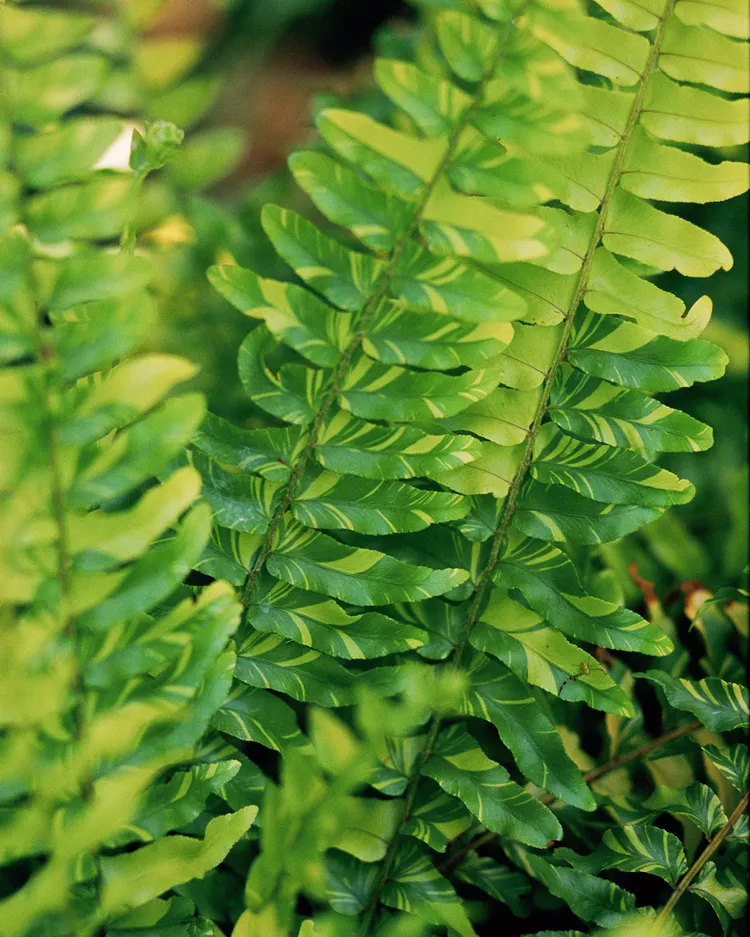
Christmas fern (Polystichum acrostichoides) is a fast-growing native evergreen fern that is green and lush throughout the winter season. When other perennial ferns have lost their leaves, these cold-hardy wood ferns keep their leathery dark green fronds during the coldest, grayest months. In early spring, coiled, silver-green fronds unfurl. Christmas ferns grow in clumps that work well in borders alongside shade-loving perennial flowers. This guide contains planting and care tips for Christmas fern.
Christmas Fern Overview
| Genus Name | Polystichum acrostichoides |
| Common Name | Christmas Fern |
| Plant Type | Perennial |
| Light | Part Sun, Shade |
| Height | 1 to 3 feet |
| Width | 1 to 3 feet |
| Foliage Color | Blue/Green |
| Zones | 3, 4, 5, 6, 7, 8, 9 |
| Propagation | Division |
| Problem Solvers | Deer Resistant, Groundcover, Slope/Erosion Control |
Where to Plant Christmas Fern
Christmas ferns are at home near shady ponds, streams, and water gardens, where they can get the shade and moist soil they need to thrive. Low-maintenance Christmas ferns are a good pick for woodland or cottage gardens, as well as shaded slopes that need erosion control.
How and When to Plant Christmas Fern
Plant Christmas fern in spring after the last frost or early fall before the first frost. Dig a hole as deep as the root ball and twice as wide to give the roots (rhizomes) room to grow. Add compost or organic material to the hole and position the root crown barely above soil level. Space your plants 18 inches apart to give them room to reach their full size. Mulch the ferns to keep their roots cool and the soil moist. It can take several years for Christmas ferns to become established.
Christmas Fern Care Tips
Christmas ferns are low-maintenance, long-lived perennials that make them an excellent choice for beginning gardeners. Give this woodland fern the right conditions, and it will thrive with little help from you. Christmas ferns are more adaptable and drought-tolerant than many other native ferns.
Light
Like other ferns, Christmas ferns do best in conditions that mimic the shady forest floor of their native habitat, the temperate woodlands of North America. They can tolerate full shade but prefer dappled light, the sort of sun that filters through a forest canopy. If they get too much sun, their deep green fronds fade, and the plant becomes stunted. In Southern climates, the fronds burn if they get too much sunlight. Christmas ferns can tolerate more light than most other ferns if the soil is kept moist.
Soil and Water
Christmas fern tolerates many soil types as long as it’s well-drained. This fern doesn’t do well in clay soil because it tends to get crown rot in heavy, wet soil. Christmas fern is greenest and healthiest in soil rich in organic matter, but it can tolerate dry conditions in poorer soil. Water Christmas fern weekly during the growing season to keep its soil consistently moist.
Temperature and Humidity
Christmas fern needs cool, shady conditions. This isn’t a good plant for hot, dry regions. Frost-tolerant Christmas fern thrives in temperatures of 50°F to 70°F, with humidity levels of at least 50 percent.
Fertilizer
When it grows in organically rich soil, Christmas fern only needs to be fertilized once a year—in the spring—with fertilizer for acid-loving plants. Fertilizer for azaleas and hydrangeas works for this fern, too. Follow the product instructions for quantity and frequency.
Pruning
Unfussy Christmas ferns don’t need pruning. Just remove dead, damaged, or yellowing leaves throughout the year as they appear. Don’t trim the foliage in the spring when new fiddleheads appear, or you’ll damage the fronds’ ability to feed the plant via photosynthesis.
Potting and Repotting
Christmas fern can grow indoors, but you must provide plenty of humidity and keep the plant out of direct sunlight. Put a potful of Christmas fern in a steamy bathroom by a window that gets morning sun for good results, or add a humidifier to the room where the plant is located. This fern doesn't need annual repotting—every two years is usually sufficient.
Pests and Problems
Christmas fern is not prone to any pests or diseases, and it is deer-resistant. If you overwater it or plant it in poorly drained soil, it might get crown rot, which kills the plant.
How to Propagate Christmas Fern
Christmas fern doesn’t naturalize and spread across an area like other ferns, but you can dig up part of the clumps every few years and divide them to make more plants. The best time to divide Christmas ferns is in the spring when new growth emerges.
Dig up a clump of Christmas fern and use a sharp knife to cut the plant into sections with roots attached. Plant those sections anywhere in your garden or yard where there are fern-appropriate growing conditions. Keep the replanted divisions watered until they take root.
You can also propagate Christmas fern by harvesting the ripe spores and sowing them, although the process is somewhat laborious and success is mixed. The spores are located on the underside of the fronds. Don’t harvest unripe spores; they usually ripen in October and fall from the plant to the ground. Put a piece of white cardboard on the ground under the plant to catch the spores as they fall, or cut an entire frond from the fern and place it on white paper in a sheltered location until the ripe spores release. Broadcast the spores on a layer of potting soil and mist them. Germination can take up to three months.
Christmas Fern Companion Plants
Hosta
Hosta is one of the most frequently grown garden plants. Hosta, also known as plantain lily, has big, heart-shaped leaves that look tropical, but this plant is cold-hardy and easy to grow. The tough, shady-loving perennial lights up shady spots in the landscape in summer and spring and comes in a seemingly endless range of color variations. Hosta thrives in the same growing conditions as Christmas fern, so it makes a good neighbor in the garden.
Astilbe
Astilbe is a gorgeous plant thanks to its fern-like bronze and green leaves and colorful plumed blossoms in pinks, reds, purples, and whites. This showy perennial thrives in the same shade and moist soil as Christmas fern, so they are good garden neighbors. Astilbe’s dramatic, spikey flowers attract pollinators that would otherwise pass by a border of ferns.
Bleeding Heart
This old-fashioned perennial is a cottage garden favorite. Its heart-shaped pink or white blooms are among the first flowers to come up in the spring, and they look lovely paired with the feathery fronds of Christmas fern. Bleeding heart thrives in the same shade and moist soil as Christmas fern, so they go together well. Try ‘Gold Heart’ because its chartreuse foliage and pink blooms contrast nicely with the deep green, leathery fronds of Christmas fern.