10 Simple Tips for Growing Bell Peppers in Pots

48.4K
2.9K
406
2025-11-10
10 Simple Tips for Growing Bell Peppers in Pots

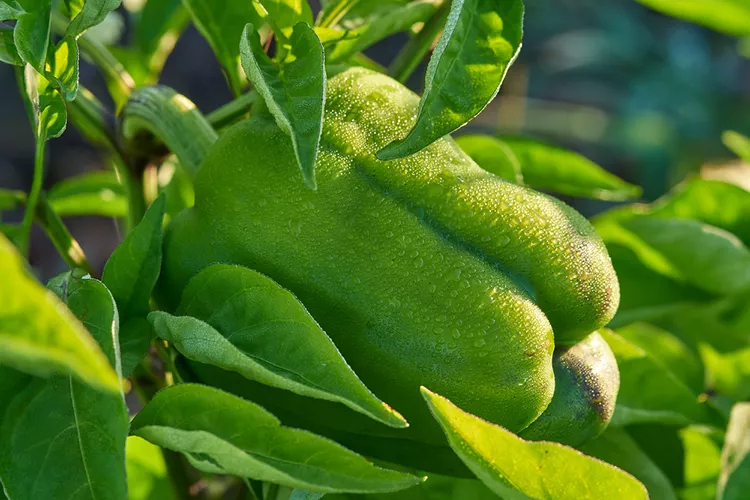
Growing bell peppers in pots is an easy way to grow these versatile veggies even if you have a small garden or live in an urban environment. Whether you like to stuff them, blend them into salsa, or slice them up for fajitas, you can grow plenty of bell peppers in containers with a few supplies and a bit of know-how. The tips in this guide will help you successfully care for potted bell peppers on a balcony, patio, or wherever you have a sunny spot.

1. Choose roomy containers.

Bell pepper plants grow larger than most fiery hot chilis, so starting the plants off in large planters is important. A single bell pepper can grow in a 12-inch pot, but plants will be more productive in 5- to 10-gallon containers. Well-draining terra-cotta pots, plastic planters, or fabric grow bags are all handy for outdoor bell pepper plants, although grow bags can leak water indoors.

2. Use nursery plants for an earlier harvest.

Bell peppers can be grown from seeds or nursery starts, but you’ll be able to harvest peppers much earlier if you use pre-started plants. Fill pots with a well-draining potting mix and then pot up nursery-started peppers so that the top of the root ball is at the soil line. If you’d prefer to grow peppers from seeds, start the seeds indoors under grow lights six to eight weeks before your last spring frost date. Sow seeds ¼ inch deep in a quality seed-starting mix, and use a heating mat to speed up germination.

3. Protect young plants from chill.

If you’re growing peppers from nursery starts, don’t plant the peppers outdoors too early. Like other nightshades like eggplants and tomatoes, peppers are sensitive to cold and shouldn’t be planted in outdoor pots until temperatures are consistently around 60°F. You can start indoor peppers at any time of the year, but be patient when transplanting them outdoors and properly harden off the transplants first.

4. Provide lots of light.

Bell peppers are full-sun plants that need at least six hours of bright light daily to fruit. Outdoor potted peppers do well on a sunny patio or balcony, but indoor peppers usually need supplemental light from a grow light to remain productive.

5. Add support.

Unlike many chili pepper plants, bell peppers grow tall and they easily reach 3 ½ feet in height when mature. These plants don’t always need support, but they can get top-heavy during the growing season and lose branches under the weight of their fruit. Adding a bamboo stake or tomato cage to the pepper plants when transplanting them can prevent broken stems and save you the trouble of staking plants later on.

6. Water regularly.

Watering is essential to keeping a vegetable garden, but it’s even more critical with container-grown plants. Peppers in pots can dry out much faster than plants in garden beds, so you’ll want to check pots often and water when the top 1 inch of soil feels dry. Keeping plants well-watered will boost your crop of peppers, and it’s also the best way to prevent blossom end rot.

7. Fertilize as needed.

Mix compost or worm castings into the potting mix at planting time to provide peppers with a slow release of nutrients and increase harvest yields. However, peppers are heavy feeders that need additional applications of liquid or slow-release granular fertilizers throughout the growing season. Liquid fertilizers are typically applied once every two to four weeks, while granular fertilizers are applied more sparingly. Always check the fertilizer packaging for specific application instructions.

8. Know how to prune.

Bell peppers typically don’t need as much pruning as smaller pepper varieties, but they grow more prolifically with a well-timed clipping or two. Snipping away the lower leaves around the bottom of pepper plants can reduce the incidence of pepper diseases and pests, while pruning off suckers funnels the plant’s energy toward fruit production.

9.   Watch for pests.

Pests are usually not a problem on potted pepper plants, and they’re even rarer on indoor peppers, but pests can still crop up occasionally. Common pepper pests include aphids, flea beetles, and cutworms, and deer may also nibble on pepper plants. Most of these pests can be managed with companion planting, and plant collars are particularly effective against cutworms.

10. Harvest at the right time.

Bell peppers can be harvested as soon as they reach a usable size. Green bell peppers, while not fully mature, are edible and tasty. However, to get the best flavor out of your bell pepper plants, wait until the peppers are fully ripe and colored in bright shades of red, yellow, orange, or purple. Check plant labels and seed packets for the mature color of the bell peppers you’re growing. Harvest peppers by snipping off the fruit with sharp pruners, leaving a bit of stem attached to each pepper to help your harvest last longer in the fridge.
Related Article

19 Colorful Window Box Ideas to Brighten Up Your Exterior
3K
301
48

19 Colorful Window Box Ideas to Brighten Up Your Exterior

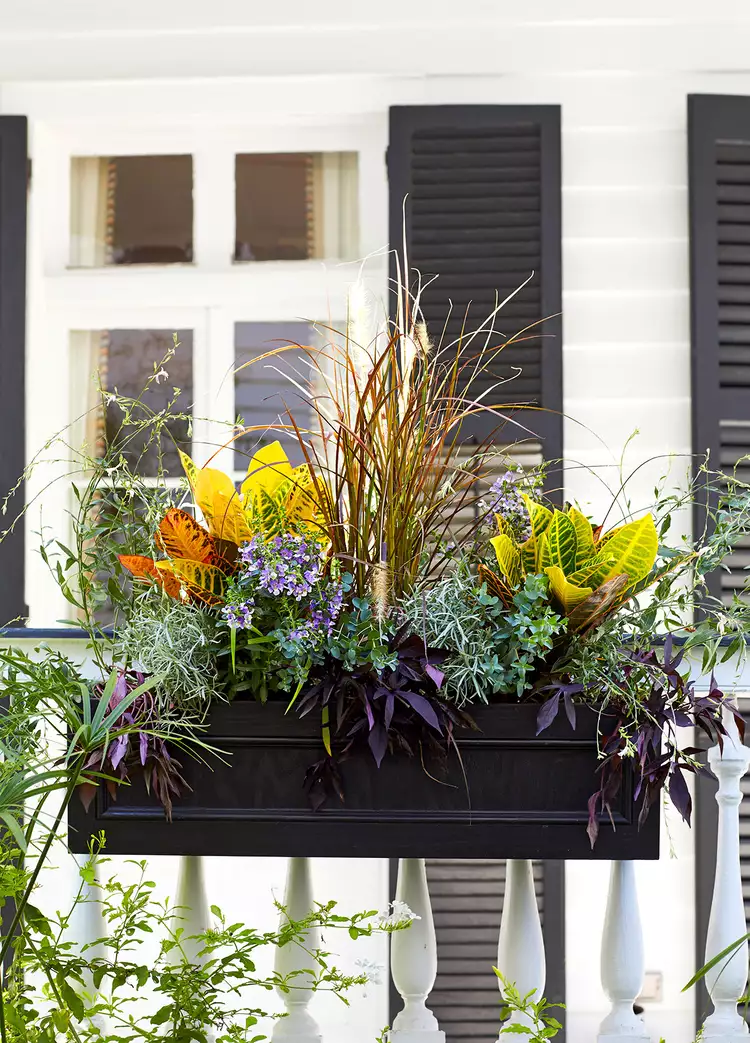
Use these window box ideas for a no-fail way to dress up your home. We share the right plant combinations to create maximum curb appeal.
Container Gardening for Beginners: 10 Must-Know Tips
46.3K
1.4K
416

Container Gardening for Beginners: 10 Must-Know Tips

Use these container gardening tips for beginners to successfully grow potted plants outdoors.
9 Colorful Plants That Will Thrive on Your Balcony
12.2K
489
58

9 Colorful Plants That Will Thrive on Your Balcony

These balcony plants adapt well to life in a container, and hold up well in the increased heat and wind of their elevated location.
How to Plant and Grow Lisianthus
2.4K
118
47

How to Plant and Grow Lisianthus

Lisianthus flowers come in various romantic colors and add an elegant touch to any garden or floral arrangement.
How to Plant and Grow a Christmas Fern
10.1K
606
254

How to Plant and Grow a Christmas Fern

Learn how to grow Christmas fern, an evergreen perennial that is leafy and green in the deepest winter.
How to Plant and Grow Perennial Peanut
22.3K
1.6K
420

How to Plant and Grow Perennial Peanut

Learn how to grow perennial peanuts for erosion control, weed suppression, and a low maintenance lawn.
How to Prune Roses for Healthier Plants and More Flowers
7.3K
220
105

How to Prune Roses for Healthier Plants and More Flowers

Learn how to prune roses properly so you can keep your rose shrubs, climbers, heirlooms, or modern hybrid roses looking their best through the years.
Garden Privacy Ideas that Incorporate Landscaping and Hardscaping
10.1K
101
43

Garden Privacy Ideas that Incorporate Landscaping and Hardscaping

Check out these garden privacy ideas that include landscaping and hardscaping for creating a beautiful and private oasis in your yard.
How to Prune Basil to Boost Your Harvest
35.5K
354
169

How to Prune Basil to Boost Your Harvest

Learn how to prune basil correctly to delay flowering, encourage more leaves to grow, and take cuttings.
How to Plant and Grow Pineapple Sage
9.5K
569
91

How to Plant and Grow Pineapple Sage

Read this guide to learn how to plant and grow pineapple sage in herb gardens or pollinator habitats!
13 Fast-Growing Trees for a Privacy Screen in Your Yard
42.4K
423
59

13 Fast-Growing Trees for a Privacy Screen in Your Yard

Plant these fast-growing trees and enjoy the beauty—and privacy—of a lush living fence in just a few years.
How to Plant and Grow Purple Hyacinth Bean Vine
33.2K
3.3K
331

How to Plant and Grow Purple Hyacinth Bean Vine

Learn how to grow purple hyacinth bean vine, including planting and care tips, dealing with pests, and propagation.
30 Best Native Plants for Southern Gardens That Thrive in the Heat
11.5K
461
207

30 Best Native Plants for Southern Gardens That Thrive in the Heat

Discover the best native plants for Southern gardens that thrive in local climates. Enhance your landscape with these beautiful, low-maintenance, and eco-friendly options.
Best Plants for Mississippi Landscapes
10K
400
80

Best Plants for Mississippi Landscapes

These award-winning plants are proven successes in landscapes throughout Mississippi and the South.
What Are Cover Crops? And How to Plant Them in Your Home Garden
46.4K
2.8K
1.4K

What Are Cover Crops? And How to Plant Them in Your Home Garden

These step-by-step instructions will help you feed your soil and beat weeds naturally.
How to Make a Mowing Strip
16.4K
655
235

How to Make a Mowing Strip

Leave a 6- to 12-inch-wide mowing strip between the edge of your beds and borders and the lawn. It will help you save time and effort in the garden.
What You Need to Know About Winterizing a Lawn
11.7K
701
196

What You Need to Know About Winterizing a Lawn

Get a jumpstart on a lush, healthy lawn next spring with this guide on winterizing a lawn. Plus, get your lawn mower ready for winter storage.
Enjoy Homegrown Produce With This Large-Scale Vegetable Garden Plan
49.8K
2.5K
1.2K

Enjoy Homegrown Produce With This Large-Scale Vegetable Garden Plan

If you've never planted a large vegetable garden before, you'll want to try out our large vegetable garden layout plans. We'll help you know how to select cold season vs. warm season vegetables and where to plant them for maximum effect.
This Easy-Care Butterfly Garden Plan Will Attract Tons of Pollinators
31.8K
1.6K
636

This Easy-Care Butterfly Garden Plan Will Attract Tons of Pollinators

Use this gorgeous butterfly garden plan to create a bed of flowers that will bring beautiful and beneficial insects to your garden.
This Annual Garden for Full Sun Will Fill Your Yard with Color
17.9K
715
164

This Annual Garden for Full Sun Will Fill Your Yard with Color

Create an easy-care bed of flowers that will look gorgeous from spring until frost.