12 Tips for Growing Lettuce in Containers from Seed to Salad

20.8K
832
307
2025-11-07
12 Tips for Growing Lettuce in Containers from Seed to Salad

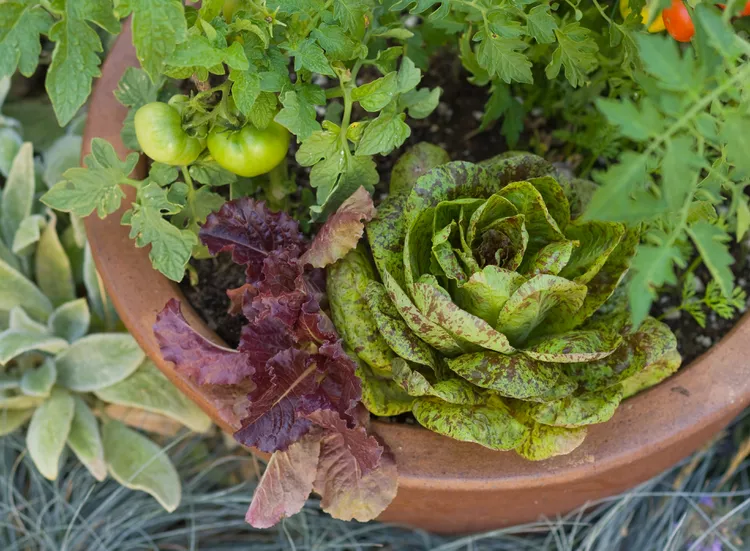
Almost any type of lettuce can grow in containers, which is convenient for urban or small-space gardeners who don’t have room for in-ground gardens. Lettuces are perfect for containers placed on decks, patios, balconies, and porches. Growing in containers also gives you control over the soil, light, and water conditions. Whether you’re a newbie gardener or a pro with plenty of experience growing veggies, these expert tips will help you grow lettuce in containers.

1. Match the Lettuce Type to the Container

Ideally, you want a wide, shallow container to grow lettuce. Leaf lettuce can grow in smaller containers than head lettuce. For leaf lettuce, you need a container at least 12 inches wide and 6 inches deep. To grow head lettuce, you need a container that’s 16 inches wide and 12 to 16 inches deep.

Lettuce has shallow roots so you don’t need a deep container to grow it. However, a deeper container helps the roots hold moisture longer, so you don’t have to water as frequently.

2. For a Faster Harvest, Grow Leaf Lettuce

You can clip off leaves of leaf lettuce as you need them, but you have to wait for a head of lettuce to grow before you can make it into a salad. Leaf lettuce is ready to eat at any size, and you can pick baby leaves for tender salads.

3. Don’t Plant Lettuce Seeds too Deep

Lettuce seeds are tiny and delicate. Plant them just ¼ to ½ inch deep, or they will struggle to reach the surface and grow. The best way to plant lettuce seeds is to sprinkle them over the top of the soil in the container and cover them with a fine layer of potting soil.

Start with lettuce transplants for a speedier harvest. Because lettuce grows fast, you can begin snipping leaves to eat as soon as three weeks after planting.

4. Choose the Right Soil

Lettuce thrives in nitrogen-rich, well-draining soil. Use a pre-mixed potting soil designed specifically for container gardening or mix up your own potting mix. Compost is the magic ingredient for growing lettuce in containers. It adds nutrients, encourages lettuce to produce more foliage, and discourages pests and diseases. Mix in a scoop or two of compost before planting your lettuce.

5. Plant Lettuce When Temperatures Are Mild

Lettuce is a cool-season crop that grows best in the spring or fall. A hard freeze kills lettuce, and hot weather (over 75°F) causes it to bolt or go to seed. Once lettuce bolts, it stops putting energy into growing leaves—the part of the plant we typically eat—and instead makes flowers and seeds.

6. Water Regularly

Lettuce needs consistent moisture to have tender, sweet leaves. Too little water can result in tough, bitter lettuce. Water whenever the top inch of soil dries out.

7. Fertilize Every Other Week

Feed your lettuce with a water-soluble fertilizer every two weeks. Fertilizer provides the plant with the nitrogen it needs to keep producing tender leaves. However, there can be too much of a good thing, so always follow label directions for your fertilizer of choice or you might end up burning your plants.

8. Harvest Leaf Lettuce Every Few Days

Frequently harvesting lettuce encourages the plant to keep growing new leaves. Use sharp scissors to cut the largest, oldest leaves from the plants. Pick lettuce leaves in the morning when they have the highest water content.

9. Get the Light Right

Lettuce needs at least five to six hours of sun a day, but unlike other veggies, it can tolerate some shade. It’s a delicate, leafy crop, so the afternoon sun can wilt it. The beauty of container gardening is that you can move your little lettuce garden to a spot where it gets the perfect amount of light.

10. Add Companion Plants

Companion plants help lettuce grow better by repelling damaging insects. Plant chives, cilantro, and garlic in the same container as lettuce, and they act as a barrier plant against aphids. Mint repels slugs. You also benefit from fresh herbs to go along with your fresh lettuce.

11. Look Out for Pests

Aphids and slugs are lettuce’s top enemies. Check your plants at least once a week for these lettuce-eating pests or signs they’ve been chewing on your crop. If you spot them, spray the plants with neem oil to get rid of aphids, and pluck slugs off your plants by hand, then drop them in a bucket of soapy water.

12. Keep Planting New Lettuce

For a continuous supply of fresh lettuce throughout the growing season, plant new seeds or new transplants every three to four weeks to replace harvested and older plants. Do this by planting new containers or pulling out tired, spent lettuce plants and replacing them with new ones.
Related Article

19 Colorful Window Box Ideas to Brighten Up Your Exterior
3K
301
48

19 Colorful Window Box Ideas to Brighten Up Your Exterior

Use these window box ideas for a no-fail way to dress up your home. We share the right plant combinations to create maximum curb appeal.
Container Gardening for Beginners: 10 Must-Know Tips
46.3K
1.4K
416

Container Gardening for Beginners: 10 Must-Know Tips

Use these container gardening tips for beginners to successfully grow potted plants outdoors.
9 Colorful Plants That Will Thrive on Your Balcony
12.2K
489
58

9 Colorful Plants That Will Thrive on Your Balcony

These balcony plants adapt well to life in a container, and hold up well in the increased heat and wind of their elevated location.
How to Plant and Grow Lisianthus
2.4K
118
47

How to Plant and Grow Lisianthus

Lisianthus flowers come in various romantic colors and add an elegant touch to any garden or floral arrangement.
How to Plant and Grow a Christmas Fern
10.1K
606
254

How to Plant and Grow a Christmas Fern

Learn how to grow Christmas fern, an evergreen perennial that is leafy and green in the deepest winter.
How to Plant and Grow Perennial Peanut
22.3K
1.6K
420

How to Plant and Grow Perennial Peanut

Learn how to grow perennial peanuts for erosion control, weed suppression, and a low maintenance lawn.
How to Prune Roses for Healthier Plants and More Flowers
7.3K
220
105

How to Prune Roses for Healthier Plants and More Flowers

Learn how to prune roses properly so you can keep your rose shrubs, climbers, heirlooms, or modern hybrid roses looking their best through the years.
Garden Privacy Ideas that Incorporate Landscaping and Hardscaping
10.1K
101
43

Garden Privacy Ideas that Incorporate Landscaping and Hardscaping

Check out these garden privacy ideas that include landscaping and hardscaping for creating a beautiful and private oasis in your yard.
How to Prune Basil to Boost Your Harvest
35.5K
354
169

How to Prune Basil to Boost Your Harvest

Learn how to prune basil correctly to delay flowering, encourage more leaves to grow, and take cuttings.
How to Plant and Grow Pineapple Sage
9.5K
569
91

How to Plant and Grow Pineapple Sage

Read this guide to learn how to plant and grow pineapple sage in herb gardens or pollinator habitats!
13 Fast-Growing Trees for a Privacy Screen in Your Yard
42.4K
423
59

13 Fast-Growing Trees for a Privacy Screen in Your Yard

Plant these fast-growing trees and enjoy the beauty—and privacy—of a lush living fence in just a few years.
How to Plant and Grow Purple Hyacinth Bean Vine
33.2K
3.3K
331

How to Plant and Grow Purple Hyacinth Bean Vine

Learn how to grow purple hyacinth bean vine, including planting and care tips, dealing with pests, and propagation.
30 Best Native Plants for Southern Gardens That Thrive in the Heat
11.5K
461
207

30 Best Native Plants for Southern Gardens That Thrive in the Heat

Discover the best native plants for Southern gardens that thrive in local climates. Enhance your landscape with these beautiful, low-maintenance, and eco-friendly options.
Best Plants for Mississippi Landscapes
10K
400
80

Best Plants for Mississippi Landscapes

These award-winning plants are proven successes in landscapes throughout Mississippi and the South.
What Are Cover Crops? And How to Plant Them in Your Home Garden
46.4K
2.8K
1.4K

What Are Cover Crops? And How to Plant Them in Your Home Garden

These step-by-step instructions will help you feed your soil and beat weeds naturally.
How to Make a Mowing Strip
16.4K
655
235

How to Make a Mowing Strip

Leave a 6- to 12-inch-wide mowing strip between the edge of your beds and borders and the lawn. It will help you save time and effort in the garden.
What You Need to Know About Winterizing a Lawn
11.7K
701
196

What You Need to Know About Winterizing a Lawn

Get a jumpstart on a lush, healthy lawn next spring with this guide on winterizing a lawn. Plus, get your lawn mower ready for winter storage.
Enjoy Homegrown Produce With This Large-Scale Vegetable Garden Plan
49.8K
2.5K
1.2K

Enjoy Homegrown Produce With This Large-Scale Vegetable Garden Plan

If you've never planted a large vegetable garden before, you'll want to try out our large vegetable garden layout plans. We'll help you know how to select cold season vs. warm season vegetables and where to plant them for maximum effect.
This Easy-Care Butterfly Garden Plan Will Attract Tons of Pollinators
31.8K
1.6K
636

This Easy-Care Butterfly Garden Plan Will Attract Tons of Pollinators

Use this gorgeous butterfly garden plan to create a bed of flowers that will bring beautiful and beneficial insects to your garden.
This Annual Garden for Full Sun Will Fill Your Yard with Color
17.9K
715
164

This Annual Garden for Full Sun Will Fill Your Yard with Color

Create an easy-care bed of flowers that will look gorgeous from spring until frost.