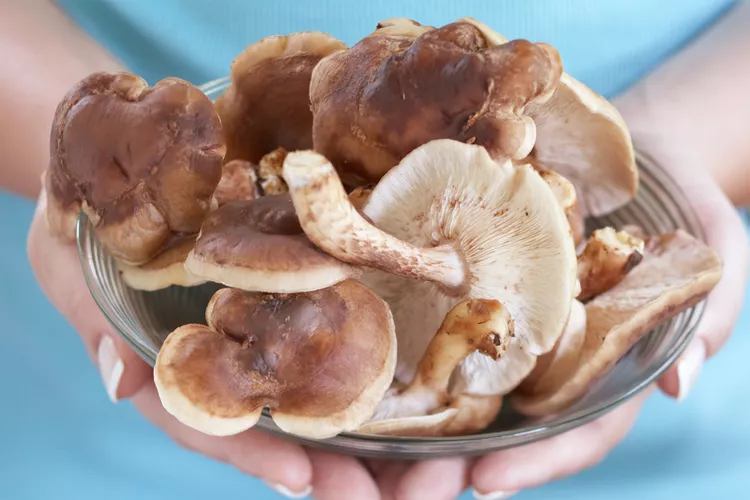
How to Grow Shiitake Mushrooms at Home

24.2K
483
77
2025-11-12
How to Grow Shiitake Mushrooms at Home

You might be surprised to hear that growing shiitake mushrooms (Lentinula edodes) is easier than growing most crops, although there is unique up-front work you won’t encounter elsewhere. The process involves gathering appropriate logs, inoculating them with shiitake spawn (a fungus), and sealing them so they don’t dry out. Then, the logs sit in a shady spot, and you moisten them during dry spells. Otherwise, they’re on their own.

Patience is necessary because it takes 6 to 14 months before the shiitakes start producing, but once they do, the inoculated logs bear delicious mushrooms for at least four or five years. That’s a considerable return on your initial investment of effort, and no weeding or pest control is needed.

How to Grow Shiitake Mushrooms at Home

Getting started is pretty simple. You need some fresh hardwood logs, plug spawn (hardwood dowels impregnated with shiitake spores and available from numerous online suppliers), a drill with an appropriately sized bit, and some food-grade wax for sealing the holes. Follow these steps:

1. Gather the logs.

Shiitake mushrooms grow best on oak, but other hardwoods such as elm, sweet gum, maple, and alder also work well. Harvest logs in winter while they’re still dormant. Fresh, dormant trees contain an abundance of sugars and nutrients that support shiitake growth. Don’t use logs that have been lying on the ground; they must be freshly harvested. The logs need to be about 4 to 6 inches in diameter and 3 to 4 feet long. This size is easy to handle while giving the mushrooms enough substrate. The logs should be well covered in bark. One reason oak is a favored wood for growing shiitakes is that its bark persists for a long time, which helps reduce the invasion of other fungi.

Allow the logs to rest for a couple of weeks, and then soak them in a large tub of water for a full day. They are now ready for inoculation.

2. Inoculate the logs.

Using a drill with a 3/8-inch bit, drill 1 ¼ -inch deep holes into the logs, making a clear mark on your drill bit to be sure you drill to the appropriate depth. Space the holes 5 to 6 inches apart in a row all the way down the log. Then, move about 6 inches around the log and make another row starting halfway between the first two holes so they create a diamond pattern. Continue drilling holes in rows until you are back where you started. When you’ve made the holes all around the log, it’s time to insert the plugs.

With a hammer or mallet, gently tap the plugs in place. They should fit snugly in the drilled holes. Dab some melted wax (paraffin or cheese wax) over the opening of each hole to seal it. The wax keeps moisture in and prevents other fungi from entering. Finally, label the log with the date. If you add more inoculated logs to your “shiitake farm” in future years, you will know which ones are the oldest and when to replace them.

3. Set the logs in the shade.

Find a shady spot in your yard and set the logs slightly off the ground (use bricks or stone for the bottom logs). If you prepared several logs to ensure a generous supply of mushrooms, place two on the bottom and the next two across the ends of the first two. Continue stacking the logs in pairs, keeping the center open.

Now, it’s up to the shiitakes to colonize the logs with their mycelium. If you experience a dry spell or live in an area with low rainfall, the logs will benefit from extra moisture. Give them a soaking spray every week or two.

4. Harvest and enjoy the shiitakes.

After 6 to 12 months or so, the fruiting bodies (the mushrooms) begin to appear on the surface of the logs, first as rounded buttons. These quickly develop into full-sized shiitakes in a few days. Fruiting usually follows a good soaking rain. Once mushroom production has begun, you can induce fruiting by soaking the logs in a large tub of cool water for a day. The best fruiting occurs in spring and fall; the fungus may need to rest in between. However, continue to check the logs. A flush of new mushrooms might appear a few days after a summer shower.

Harvest the mushrooms promptly as soon as they reach a decent size. Use them immediately for a delicious treat, or store them in the fridge for a few days. You may find that you are harvesting mushrooms faster than you can use them. If this happens, place the extras in a dehydrator and dry them to add to winter stews, pasta dishes, soups, and casseroles. Store the dried mushrooms in glass jars.
Frequently Asked Questions

  • Can I grow shiitakes on pine logs?

    Pine is not a good choice for growing shiitakes because it is rich in terpenes and other compounds that inhibit the growth of fungi. It’s best to stick to hardwoods such as oak, maple, elm, alder, sweet gum, or ironwood.

  • Can other types of mushrooms grow on logs like shiitakes?

    Yes. Two other common mushrooms that can be grown on logs are oyster mushrooms and lion’s mane mushrooms. Spawn plugs for these are available from online suppliers, and they insert into logs like shiitakes plugs. Don’t grow more than one type of mushroom on a single log, and label the log so you know which mushroom to expect.

Related Article

19 Colorful Window Box Ideas to Brighten Up Your Exterior
3K
301
48

19 Colorful Window Box Ideas to Brighten Up Your Exterior

Use these window box ideas for a no-fail way to dress up your home. We share the right plant combinations to create maximum curb appeal.
Container Gardening for Beginners: 10 Must-Know Tips
46.3K
1.4K
416

Container Gardening for Beginners: 10 Must-Know Tips

Use these container gardening tips for beginners to successfully grow potted plants outdoors.
9 Colorful Plants That Will Thrive on Your Balcony
12.2K
489
58

9 Colorful Plants That Will Thrive on Your Balcony

These balcony plants adapt well to life in a container, and hold up well in the increased heat and wind of their elevated location.
How to Plant and Grow Lisianthus
2.4K
118
47

How to Plant and Grow Lisianthus

Lisianthus flowers come in various romantic colors and add an elegant touch to any garden or floral arrangement.
How to Plant and Grow a Christmas Fern
10.1K
606
254

How to Plant and Grow a Christmas Fern

Learn how to grow Christmas fern, an evergreen perennial that is leafy and green in the deepest winter.
How to Plant and Grow Perennial Peanut
22.3K
1.6K
420

How to Plant and Grow Perennial Peanut

Learn how to grow perennial peanuts for erosion control, weed suppression, and a low maintenance lawn.
How to Prune Roses for Healthier Plants and More Flowers
7.3K
220
105

How to Prune Roses for Healthier Plants and More Flowers

Learn how to prune roses properly so you can keep your rose shrubs, climbers, heirlooms, or modern hybrid roses looking their best through the years.
Garden Privacy Ideas that Incorporate Landscaping and Hardscaping
10.1K
101
43

Garden Privacy Ideas that Incorporate Landscaping and Hardscaping

Check out these garden privacy ideas that include landscaping and hardscaping for creating a beautiful and private oasis in your yard.
How to Prune Basil to Boost Your Harvest
35.5K
354
169

How to Prune Basil to Boost Your Harvest

Learn how to prune basil correctly to delay flowering, encourage more leaves to grow, and take cuttings.
How to Plant and Grow Pineapple Sage
9.5K
569
91

How to Plant and Grow Pineapple Sage

Read this guide to learn how to plant and grow pineapple sage in herb gardens or pollinator habitats!
13 Fast-Growing Trees for a Privacy Screen in Your Yard
42.4K
423
59

13 Fast-Growing Trees for a Privacy Screen in Your Yard

Plant these fast-growing trees and enjoy the beauty—and privacy—of a lush living fence in just a few years.
How to Plant and Grow Purple Hyacinth Bean Vine
33.2K
3.3K
331

How to Plant and Grow Purple Hyacinth Bean Vine

Learn how to grow purple hyacinth bean vine, including planting and care tips, dealing with pests, and propagation.
30 Best Native Plants for Southern Gardens That Thrive in the Heat
11.5K
461
207

30 Best Native Plants for Southern Gardens That Thrive in the Heat

Discover the best native plants for Southern gardens that thrive in local climates. Enhance your landscape with these beautiful, low-maintenance, and eco-friendly options.
Best Plants for Mississippi Landscapes
10K
400
80

Best Plants for Mississippi Landscapes

These award-winning plants are proven successes in landscapes throughout Mississippi and the South.
What Are Cover Crops? And How to Plant Them in Your Home Garden
46.4K
2.8K
1.4K

What Are Cover Crops? And How to Plant Them in Your Home Garden

These step-by-step instructions will help you feed your soil and beat weeds naturally.
How to Make a Mowing Strip
16.4K
655
235

How to Make a Mowing Strip

Leave a 6- to 12-inch-wide mowing strip between the edge of your beds and borders and the lawn. It will help you save time and effort in the garden.
What You Need to Know About Winterizing a Lawn
11.7K
701
196

What You Need to Know About Winterizing a Lawn

Get a jumpstart on a lush, healthy lawn next spring with this guide on winterizing a lawn. Plus, get your lawn mower ready for winter storage.
Enjoy Homegrown Produce With This Large-Scale Vegetable Garden Plan
49.8K
2.5K
1.2K

Enjoy Homegrown Produce With This Large-Scale Vegetable Garden Plan

If you've never planted a large vegetable garden before, you'll want to try out our large vegetable garden layout plans. We'll help you know how to select cold season vs. warm season vegetables and where to plant them for maximum effect.
This Easy-Care Butterfly Garden Plan Will Attract Tons of Pollinators
31.8K
1.6K
636

This Easy-Care Butterfly Garden Plan Will Attract Tons of Pollinators

Use this gorgeous butterfly garden plan to create a bed of flowers that will bring beautiful and beneficial insects to your garden.
This Annual Garden for Full Sun Will Fill Your Yard with Color
17.9K
715
164

This Annual Garden for Full Sun Will Fill Your Yard with Color

Create an easy-care bed of flowers that will look gorgeous from spring until frost.