How to Plant and Grow Spider Lily

11.9K
833
124
2025-11-06
How to Plant and Grow Spider Lily

As the name suggests, the spider lily has long, spiderlike petals on its flowers that appear from midsummer to fall. There are more than a dozen species in the Lycoris genus; all are native to Asia, but spider lilies are often assumed to be native to the United States because Lycoris radiata has naturalized in several states in the southeastern United States. 

This hardy bulb has a curious habit of blooming on bare stems with no foliage present, which has earned it the common names "naked lady" and "surprise lily." It is also dubbed the hurricane lily, as it tends to bloom during hurricane season in the United States. The flower is a close relative to the amaryllis and much like its kin, has a striking flower. This plant generally puts out its foliage in spring after the coldest weather has passed. 

All species in the Lycoris genus are toxic to humans and animals.

Spider Lily Overview

Genus Name Lycoris
Common Name Spider Lily
Plant Type Bulb
Light Part Sun, Sun
Height 1 to 3 feet
Width 1 to 2 feet
Flower Color Orange, Pink, Red, White, Yellow
Foliage Color Blue/Green
Season Features Fall Bloom, Summer Bloom
Special Features Attracts Birds, Cut Flowers
Zones 10, 5, 6, 7, 8, 9
Propagation Division
Problem Solvers Deer Resistant

Where to Plant Spider Lily

Spider lily should be ideally planted in a location with partial sun and well-drained soil that can be slightly acidic, neutral, or alkaline. It takes spider lily a couple of years to get established and start blooming. Pick a spot where the plants can remain undisturbed so they can form their typical small colonies.

Spider lilies can be planted in many places in the landscape—in a border or near a patio, in a cottage garden or naturalized area, as specimens, or in small groups. Because the foliage disappears during the summer, interplanting it with a slow-growing ground cover is a good idea.

How and When to Plant Spider Lily

Spider lily is planted in the early fall. Dig a hole only deep enough that the neck of the bulbs is barely covered by soil to about ¼ inch exposed. Planting spider lily too deeply will affect the ability to bloom.

The spacing depends on the variety. Lycoris radiata should be spaced 6 to 12 inches apart and Lycoris squamigera 6 inches apart.

Spider Lily Care Tips

Light

Spider lilies can be grown in full sun to part shade, though they'll flower best where they get some shade.

Soil and Water

Spider lilies require well-drained soil. They do fine in acidic, neutral, and alkaline soil (pH 6.0 to 8.0).

During the growing season, they should get an even supply of moisture. During their summer dormant period, they do best if the soil remains dry.

Temperature and Humidity

The hardiness depends on the species. Lycoris squamigera is the hardiest species in the genus that can be grown down to zone 5.

When planting Lycoris radiata at the lower end of its zone range, choose a sheltered location where the evergreen foliage is less likely to freeze in the winter so it can naturally die back in the spring.

Spider lilies are tolerant of humid conditions.

Fertilizer

Fertilize spider lily twice a year. In the early spring, use a high-nitrogen fertilizer which promotes foliage growth so the bulb can store nutrients. After the bloom in the later summer or fall, feed it with a fertilizer that is low in nitrogen but high in potassium and phosphorous to promote root growth, which prepares the plant for the winter.

Pruning

Other than removing dead foliage after the winter, spider lily does not require any pruning. Removing foliage, unless it’s diseased or dead, deprives the plant of the chance to store nutrients.

Potting and Repotting Spider Lily

Due to their deep and extensive root systems, growing spider lilies in pots is not recommended. Size is not the only concern. Even if you planted spider lily in large containers, at the lower end of the zone range, the bulbs are subject to frequent freeze-and-thaw circles during the winter, which are detrimental to bulbs.

Pests and Problems 

Spider lilies have no serious problems insect or disease problems. Deer and rodents leave spider lily alone. Overwatering and poorly draining soil may lead to root rot.

How to Propagate Spider Lily

Spider lily can be easily propagated by division. The best time to do this is just after the plant goes dormant in early summer. Once the foliage has completely died back, dig up the bulbs. Division is not really necessary because these plants form multiple clumps on their own after a few years, so you just gently separate the clumps and replant them at the same depth in a new location.

Types of Spider Lily

Red Spider Lily

Gardeners in southern climates are likely to be familiar with Lycoris radiata. It bears loose clusters of bright red, spidery blooms in early fall. It grows 18 inches tall. Zones 7-10

White Spider Lily 

Lycoris albiflora is another spider lily for the south, with white flowers that have elegantly curled petals. It grows 18 to 24 inches tall. Zone 8-10

Naked Lady

Lycoris squamigera is the hardiest spider lily species that produces its strappy leaves in spring and lilac-pink flowers in the fall. It grows 18 to 24 inches tall. Zones 5-10
Frequently Asked Questions

  • Do spider lilies multiply?

    These plants can be left alone for many years and will create impressively large collections of flowers. They naturalize by bulb-offset, forming small colonies over time.

  • How many colors of spider lily are there?

    There are many species and hybrids of spider lilies. All the varieties produce a mix of colorful blossoms including peach, yellow, orange, coral, and pink with blue tips.

Sources
Better Homes & Gardens is committed to using high-quality, reputable sources—including peer-reviewed studies—to support the facts in our articles. Read about our editorial policies and standards to learn more about how we fact check our content for accuracy.
  1. center for aquatic and invasive plants: University of Florida, IFAS. | Center for Aquatic and Invasive Plants | University of Florida, IFAS. Accessed August 1, 2024. https://plants.ifas.ufl.edu/plant-directory/lycoris-radiata/#:~:text=Bulbs%20of%20all%20Lycoris%20species,in%20humans%20and%20other%20animals.

Article "tagged" as:

Related Article

19 Colorful Window Box Ideas to Brighten Up Your Exterior
3K
301
48

19 Colorful Window Box Ideas to Brighten Up Your Exterior

Use these window box ideas for a no-fail way to dress up your home. We share the right plant combinations to create maximum curb appeal.
Container Gardening for Beginners: 10 Must-Know Tips
46.3K
1.4K
416

Container Gardening for Beginners: 10 Must-Know Tips

Use these container gardening tips for beginners to successfully grow potted plants outdoors.
9 Colorful Plants That Will Thrive on Your Balcony
12.2K
489
58

9 Colorful Plants That Will Thrive on Your Balcony

These balcony plants adapt well to life in a container, and hold up well in the increased heat and wind of their elevated location.
How to Plant and Grow Lisianthus
2.4K
118
47

How to Plant and Grow Lisianthus

Lisianthus flowers come in various romantic colors and add an elegant touch to any garden or floral arrangement.
How to Plant and Grow a Christmas Fern
10.1K
606
254

How to Plant and Grow a Christmas Fern

Learn how to grow Christmas fern, an evergreen perennial that is leafy and green in the deepest winter.
How to Plant and Grow Perennial Peanut
22.3K
1.6K
420

How to Plant and Grow Perennial Peanut

Learn how to grow perennial peanuts for erosion control, weed suppression, and a low maintenance lawn.
How to Prune Roses for Healthier Plants and More Flowers
7.3K
220
105

How to Prune Roses for Healthier Plants and More Flowers

Learn how to prune roses properly so you can keep your rose shrubs, climbers, heirlooms, or modern hybrid roses looking their best through the years.
Garden Privacy Ideas that Incorporate Landscaping and Hardscaping
10.1K
101
43

Garden Privacy Ideas that Incorporate Landscaping and Hardscaping

Check out these garden privacy ideas that include landscaping and hardscaping for creating a beautiful and private oasis in your yard.
How to Prune Basil to Boost Your Harvest
35.5K
354
169

How to Prune Basil to Boost Your Harvest

Learn how to prune basil correctly to delay flowering, encourage more leaves to grow, and take cuttings.
How to Plant and Grow Pineapple Sage
9.5K
569
91

How to Plant and Grow Pineapple Sage

Read this guide to learn how to plant and grow pineapple sage in herb gardens or pollinator habitats!
13 Fast-Growing Trees for a Privacy Screen in Your Yard
42.4K
423
59

13 Fast-Growing Trees for a Privacy Screen in Your Yard

Plant these fast-growing trees and enjoy the beauty—and privacy—of a lush living fence in just a few years.
How to Plant and Grow Purple Hyacinth Bean Vine
33.2K
3.3K
331

How to Plant and Grow Purple Hyacinth Bean Vine

Learn how to grow purple hyacinth bean vine, including planting and care tips, dealing with pests, and propagation.
30 Best Native Plants for Southern Gardens That Thrive in the Heat
11.5K
461
207

30 Best Native Plants for Southern Gardens That Thrive in the Heat

Discover the best native plants for Southern gardens that thrive in local climates. Enhance your landscape with these beautiful, low-maintenance, and eco-friendly options.
Best Plants for Mississippi Landscapes
10K
400
80

Best Plants for Mississippi Landscapes

These award-winning plants are proven successes in landscapes throughout Mississippi and the South.
What Are Cover Crops? And How to Plant Them in Your Home Garden
46.4K
2.8K
1.4K

What Are Cover Crops? And How to Plant Them in Your Home Garden

These step-by-step instructions will help you feed your soil and beat weeds naturally.
How to Make a Mowing Strip
16.4K
655
235

How to Make a Mowing Strip

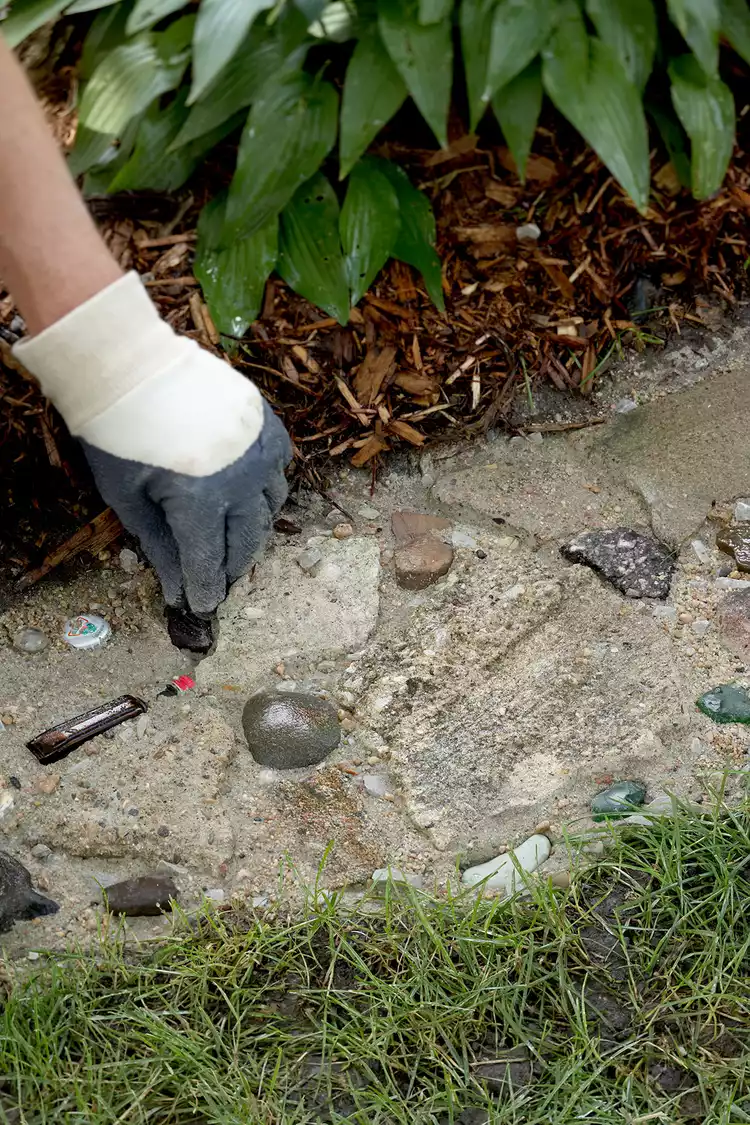
Leave a 6- to 12-inch-wide mowing strip between the edge of your beds and borders and the lawn. It will help you save time and effort in the garden.
What You Need to Know About Winterizing a Lawn
11.7K
701
196

What You Need to Know About Winterizing a Lawn

Get a jumpstart on a lush, healthy lawn next spring with this guide on winterizing a lawn. Plus, get your lawn mower ready for winter storage.
Enjoy Homegrown Produce With This Large-Scale Vegetable Garden Plan
49.8K
2.5K
1.2K

Enjoy Homegrown Produce With This Large-Scale Vegetable Garden Plan

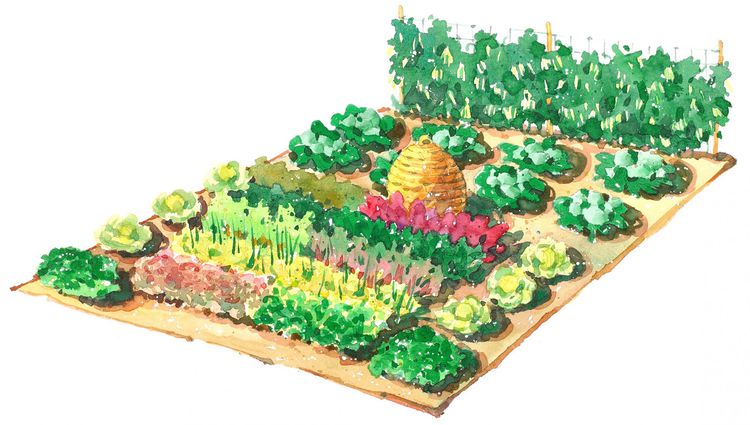
If you've never planted a large vegetable garden before, you'll want to try out our large vegetable garden layout plans. We'll help you know how to select cold season vs. warm season vegetables and where to plant them for maximum effect.
This Easy-Care Butterfly Garden Plan Will Attract Tons of Pollinators
31.8K
1.6K
636

This Easy-Care Butterfly Garden Plan Will Attract Tons of Pollinators

Use this gorgeous butterfly garden plan to create a bed of flowers that will bring beautiful and beneficial insects to your garden.
This Annual Garden for Full Sun Will Fill Your Yard with Color
17.9K
715
164

This Annual Garden for Full Sun Will Fill Your Yard with Color

Create an easy-care bed of flowers that will look gorgeous from spring until frost.