How to Kill Weeds Naturally Using Organic Products

34.7K
2.8K
1.4K
2025-10-26
How to Kill Weeds Naturally Using Organic Products

Planning a garden and watching it grow is a labor of love that takes a lot of time, commitment, and optimism. As any experienced gardener will tell you, no matter how much careful planning you do, it's inevitable that annoying weeds will start popping up in your garden, so if you're new to gardening, don't let weeds dampen your enthusiasm. It's important to know how to kill weeds naturally to rid your yard of unwanted growth without hurting other plants, so here are organic products that will rid your yard of weeds. Using any of these methods will help keep your garden weed-free without using harsh chemicals that can harm beneficial insects and pets.

If you spot just a few weeds sprouting in your flower bed, you can pull them out and dig up as many of the roots as possible. But if you see more and more weeds taking over, a natural remedy can help you take back your yard.

How to Kill Weeds Naturally

Mulching

Anything that covers and smothers weeds is a type of mulch, including biodegradable products like cardboard and newspapers. Mulch also helps conserve moisture. An organic mulch works best in two ways: It offers weed control and breaks down to make your soil more fertile.

Use a 2- to 4-inch layer of organic materials, like pine bark, straw, clippings from a non-chemically treated lawn, or bark. Wood mulches, however, draw nitrogen from the soil to break down, so they're robbing nitrogen and nutrients from your plants. Avoid placing mulch right up to the trunks of trees or stalks of plants, which can lead to disease or decay.

Solarizing

During the heat of summer, place thin, clear plastic across any area where you want to kill weeds. Leave the plastic in place for four to six weeks. The sun heats the ground and kills weed roots and seeds, but the intense heat also kills beneficial organisms, so weigh that against using other methods of killing weeds.

Flaming

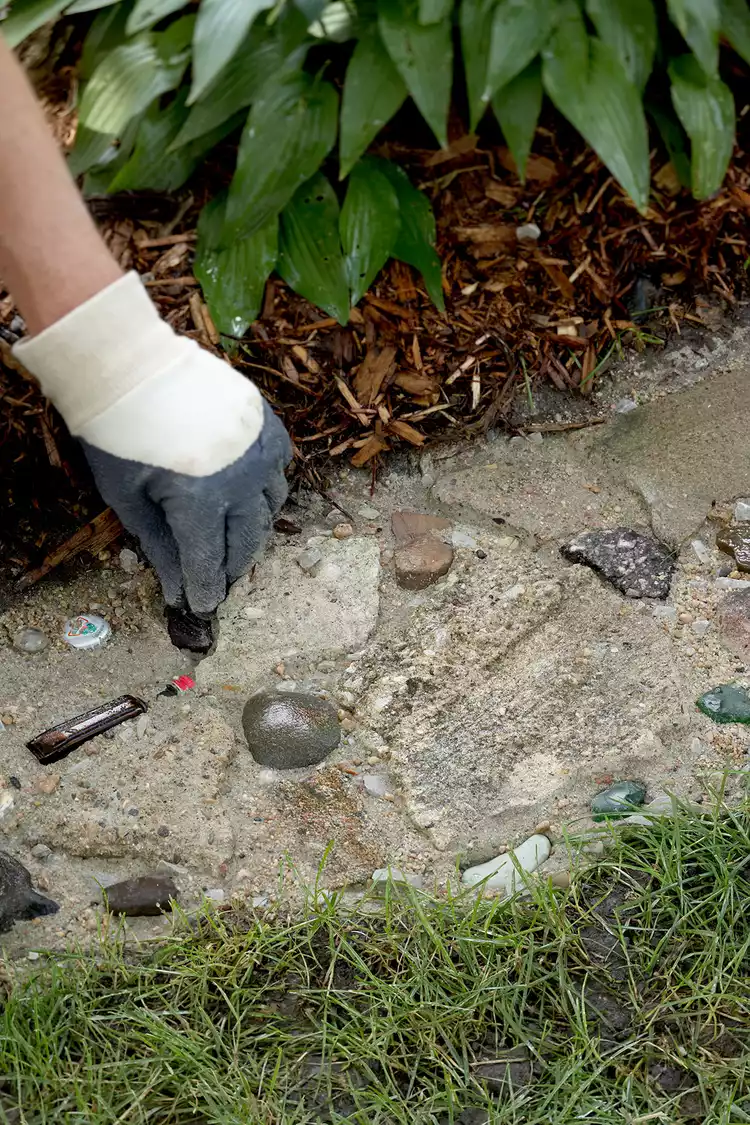
Scorching is another way to kill weeds naturally. You can use a propane torch to scorch weeds; however, flaming will not kill the roots of many weeds, so you may have to scorch the weeds frequently to suppress them. Use extreme caution and wait until a wind-free day, as flaming will also kill nearby grass and other plants. It's best for use in areas without planting you want to keep, such as between the cracks of a concrete sidewalk.

Never use flaming in fire-prone regions or during fire weather alerts.

Hand Weeding

Choose a dandelion weeder, a tool with a forked end to dig deep into the soil to loosen and pry up a weed's roots. If any roots remain in the soil, they may regrow, so without the right tools, the next best thing is pulling the plant out as close to the roots as possible.

Boiling Water

Boiling water kills plant tissues, but like flaming, the stream of water can be hard to control if you're trying to do spot weeding, so it's not the best method for how to kill weeds in flower beds. Weeds with deep taproots, like dandelions, will need more boiling water to reach the bottom of the root.

Use a tea kettle for precise application of boiling water.

Organic Weed Killers for Your Garden

Any herbicide you choose, whether an organic (sometimes called "natural") compound or synthetic, has its benefits and drawbacks. These organic weed-killer products work, but they also have certain limitations.

Vinegar

Acetic acid is the active ingredient that makes vinegar a weed killer. White vinegar contains about 5% acetic acid. This level of acetic acid burns the tops off weeds but is less likely to kill anything with well-established roots. For a vinegar weed killer to be most effective, you'll have to apply it frequently. Horticultural vinegar contains 20% acetic acid and is more effective in getting to roots in a couple of applications. Vinegar can destroy nearby plants if you're not careful, so it's not a recommended way of how to kill weeds in flower beds.

Corn Gluten Meal

Dr. Nick Christens at Iowa State University discovered that corn gluten meal, a byproduct of corn milling, prevents seeds from growing. This pre-emergent organic herbicide is often sold as a lawn weed-control product. For it to be effective, you have to apply it at just the right time in spring before weeds begin to sprout. In addition, it usually takes a few years of consistent applications to reach its full potential. Just avoid applying corn gluten meal in any beds where you plan to sow other seeds since it'll prevent them from growing.

What Not to Use: Salt

While it's true that salt kills plants, including weeds, it also poisons the ground for many years and moves into groundwater sources after rain or watering. Using it anywhere in your yard is a bad idea, so steer clear of homemade weed-killer recipes that call for salt or Epsom salt. Salts are toxic to the environment and should be avoided.
Frequently Asked Questions

  • How long does it take to kill weeds using natural methods?

    Using vinegar to kill weeds takes around 24 hours, as long as there's no rain. Mulch, newspaper, and cardboard will keep weeds from growing as soon as they're laid on top of the soil, as long as the area is thoroughly weeded beforehand.

  • What natural weed-killers kill weeds down to the roots?

    Boiling water should kill the roots of weeds. Vinegar kills roots, but it may take a few days for the roots to die off after the vinegar solution is applied.

  • Does Dawn dish soap kill weeds?

    Dawn dish soap alone doesn't kill weeds. It works as a binder for salt and other ingredients to keep them on the weeds so they can do their job. However, as mentioned above, we don't recommend using salt to eliminate weeds in your garden due to its adverse environmental effects.

Sources
Better Homes & Gardens is committed to using high-quality, reputable sources—including peer-reviewed studies—to support the facts in our articles. Read about our editorial policies and standards to learn more about how we fact check our content for accuracy.
  1. "Tree Care." Virginia Department of Forestry.

  2.  "Weed Management General Notice." University of Massachusetts Amherst.

  3. "Natural Ways to Eliminate Weeds." Colorado State University Extension.

  4. Bubl C. Does vinegar help with controlling weeds? OSU Extension Service. April 19, 2024. Accessed August 2, 2024. https://extension.oregonstate.edu/ask-extension/featured/does-vinegar-help-controlling-weeds.

  5. University of California. Herbicides for the Homeowner: Frequently Asked Questions

Related Article

19 Colorful Window Box Ideas to Brighten Up Your Exterior
3K
301
48

19 Colorful Window Box Ideas to Brighten Up Your Exterior

Use these window box ideas for a no-fail way to dress up your home. We share the right plant combinations to create maximum curb appeal.
Container Gardening for Beginners: 10 Must-Know Tips
46.3K
1.4K
416

Container Gardening for Beginners: 10 Must-Know Tips

Use these container gardening tips for beginners to successfully grow potted plants outdoors.
9 Colorful Plants That Will Thrive on Your Balcony
12.2K
489
58

9 Colorful Plants That Will Thrive on Your Balcony

These balcony plants adapt well to life in a container, and hold up well in the increased heat and wind of their elevated location.
How to Plant and Grow Lisianthus
2.4K
118
47

How to Plant and Grow Lisianthus

Lisianthus flowers come in various romantic colors and add an elegant touch to any garden or floral arrangement.
How to Plant and Grow a Christmas Fern
10.1K
606
254

How to Plant and Grow a Christmas Fern

Learn how to grow Christmas fern, an evergreen perennial that is leafy and green in the deepest winter.
How to Plant and Grow Perennial Peanut
22.3K
1.6K
420

How to Plant and Grow Perennial Peanut

Learn how to grow perennial peanuts for erosion control, weed suppression, and a low maintenance lawn.
How to Prune Roses for Healthier Plants and More Flowers
7.3K
220
105

How to Prune Roses for Healthier Plants and More Flowers

Learn how to prune roses properly so you can keep your rose shrubs, climbers, heirlooms, or modern hybrid roses looking their best through the years.
Garden Privacy Ideas that Incorporate Landscaping and Hardscaping
10.1K
101
43

Garden Privacy Ideas that Incorporate Landscaping and Hardscaping

Check out these garden privacy ideas that include landscaping and hardscaping for creating a beautiful and private oasis in your yard.
How to Prune Basil to Boost Your Harvest
35.5K
354
169

How to Prune Basil to Boost Your Harvest

Learn how to prune basil correctly to delay flowering, encourage more leaves to grow, and take cuttings.
How to Plant and Grow Pineapple Sage
9.5K
569
91

How to Plant and Grow Pineapple Sage

Read this guide to learn how to plant and grow pineapple sage in herb gardens or pollinator habitats!
13 Fast-Growing Trees for a Privacy Screen in Your Yard
42.4K
423
59

13 Fast-Growing Trees for a Privacy Screen in Your Yard

Plant these fast-growing trees and enjoy the beauty—and privacy—of a lush living fence in just a few years.
How to Plant and Grow Purple Hyacinth Bean Vine
33.2K
3.3K
331

How to Plant and Grow Purple Hyacinth Bean Vine

Learn how to grow purple hyacinth bean vine, including planting and care tips, dealing with pests, and propagation.
30 Best Native Plants for Southern Gardens That Thrive in the Heat
11.5K
461
207

30 Best Native Plants for Southern Gardens That Thrive in the Heat

Discover the best native plants for Southern gardens that thrive in local climates. Enhance your landscape with these beautiful, low-maintenance, and eco-friendly options.
Best Plants for Mississippi Landscapes
10K
400
80

Best Plants for Mississippi Landscapes

These award-winning plants are proven successes in landscapes throughout Mississippi and the South.
What Are Cover Crops? And How to Plant Them in Your Home Garden
46.4K
2.8K
1.4K

What Are Cover Crops? And How to Plant Them in Your Home Garden

These step-by-step instructions will help you feed your soil and beat weeds naturally.
How to Make a Mowing Strip
16.4K
655
235

How to Make a Mowing Strip

Leave a 6- to 12-inch-wide mowing strip between the edge of your beds and borders and the lawn. It will help you save time and effort in the garden.
What You Need to Know About Winterizing a Lawn
11.7K
701
196

What You Need to Know About Winterizing a Lawn

Get a jumpstart on a lush, healthy lawn next spring with this guide on winterizing a lawn. Plus, get your lawn mower ready for winter storage.
Enjoy Homegrown Produce With This Large-Scale Vegetable Garden Plan
49.8K
2.5K
1.2K

Enjoy Homegrown Produce With This Large-Scale Vegetable Garden Plan

If you've never planted a large vegetable garden before, you'll want to try out our large vegetable garden layout plans. We'll help you know how to select cold season vs. warm season vegetables and where to plant them for maximum effect.
This Easy-Care Butterfly Garden Plan Will Attract Tons of Pollinators
31.8K
1.6K
636

This Easy-Care Butterfly Garden Plan Will Attract Tons of Pollinators

Use this gorgeous butterfly garden plan to create a bed of flowers that will bring beautiful and beneficial insects to your garden.
This Annual Garden for Full Sun Will Fill Your Yard with Color
17.9K
715
164

This Annual Garden for Full Sun Will Fill Your Yard with Color

Create an easy-care bed of flowers that will look gorgeous from spring until frost.