How to Propagate Orchids Successfully, Depending on Type

1.4K
82
31
2025-11-10
How to Propagate Orchids Successfully, Depending on Type

Orchids are a singular group of plants with gorgeous blooms that have inspired superfans and appreciation societies. However, if you want to make more of a favorite variety, how to propagate orchids is a little different than propagating other houseplants. You can’t just snip a cutting and stick it in a pot of rooting medium or glass of water. Orchids take more work and the technique to use depends on their growth pattern. This guide covers the two main propagation methods: keikis and division.

Justin Kondrat is lead horticulturist at the Smithsonian Gardens Orchid Collection, where he cares for the nation’s orchid garden.

Types of Orchids to Propagate

“There are over 30,000 naturally occurring species [of orchids] and around 115,000 hybrids that have been registered,” says Justin Kondrat, lead horticulturist for the Smithsonian Garden Orchid Collection in Suitland, Maryland. All those orchids fall into two general growth patterns, and you need to know an orchid’s growth pattern before you propagate it.

Monopodial Orchids

“These orchids grow on a central stem that doesn’t branch out,” Kondrat says. ”They produce flower spikes and aerial roots from that main stem, specifically at the point where leaves join the stem. Phalaenopsis, or moth orchids, fall into this category, as do vanda orchids.”

“A monopodial orchid reproduces by forming a baby orchid plant called a keiki at its base or on flower spikes after they’ve bloomed,” Kondrat says. Keiki is a Hawaiian word that means baby. To propagate the orchid, remove this baby orchid and put it in its own pot.

Encourage monopodial orchids to make a keiki with a liquid plant hormone called keiki cloning paste. “Scar the orchid stem near its base or on the flower spike and put keiki paste on it,” Kondrat says. “It will trigger the orchid to produce a keiki.”

Sympodial Orchids

These orchids grow new plants from a rhizome or bulb. Cattleyas and oncidiums fall into this orchid category. They usually don’t make a keiki. Their rhizomes make a thickened area called a pseudobulb, where new plant shoots grow, sort of like an iris.

“You propagate these orchids by division like you would with your typical perennial,” Kondrat says. Some sympodial orchids, like dendrobiums, make keikis, but dividing its rhizomes is the most common way to make new plants.

When to Propagate Orchids

Propagate an orchid after it has finished blooming. If a keiki forms sooner on a monopodial orchid, you can cut it off while the plant is blooming and put it in its own pot.

Propagate a sympodial orchid when the plant outgrows its pot. When you see pseudobulbs and new roots and shoots pushing up around the main plant, it’s time to divide the orchid. “You never want to divide a plant that isn’t healthy and thriving,” Kondrat says.

If your orchid looks less than healthy, feed it and get it healthy before you cut it into pieces, which is essentially what you’re doing when you divide the plant. “Dividing an orchid disturbs it, so do it in conjunction with repotting it,” Kondrat says.

How to Propagate Orchids

Here’s how to make new plants from your mature orchids.

Propagation by Keiki

Once a keiki has three or four roots, it’s ready to be cut off the parent plant. Use a clean and sharp cutting tool like snips or a knife to cut the keiki from the flower spike. Place the keiki in a small pot with orchid growing medium. If it’s a small keiki, pot it in sphagnum moss, Kondrat says. Keep the medium or moss moist, but don’t overwater.

Propagation by Division

Gently remove the orchid from its pot. Look at the plant to identify the pseudobulbs that will make good divisions. They should have new leaves or shoots growing out of them and some roots beginning to form. A good-sized division has three to five pseudobulbs, depending on the type of orchid. Cut the plant apart with a sharp cutting tool, separating the divisions. Place each division in a small pot with sphagnum moss and keep it moist, but don’t overwater, Konrat advises.

How to Fertilize Keikis or Divisions

Wait a month before fertilizing the newly potted keiki or division. Konrat says, “I would give them a little time to settle, just so they can get themselves anchored. Once the roots elongate, they’ll have more surface area to absorb nutrients.” Konrat recommends using a fertilizer formulated for orchids with an N-P-K nutrient ratio of 20-20-20, diluted to 20 percent of the recommended amount.  

Kondrat also recommends using diluted fertilizer throughout an orchid’s life, not just when starting a new plant. “When you think about how an orchid grows in the native environment, it’s constantly getting a little bit of food here and there when a bird flies by and poops on it or when stuff drips from the bark on the trunk that it’s growing on,” Kondrat says. Duplicate that by giving your orchid weak fertilizer constantly during spring, summer, and early fall, he says.
Related Article

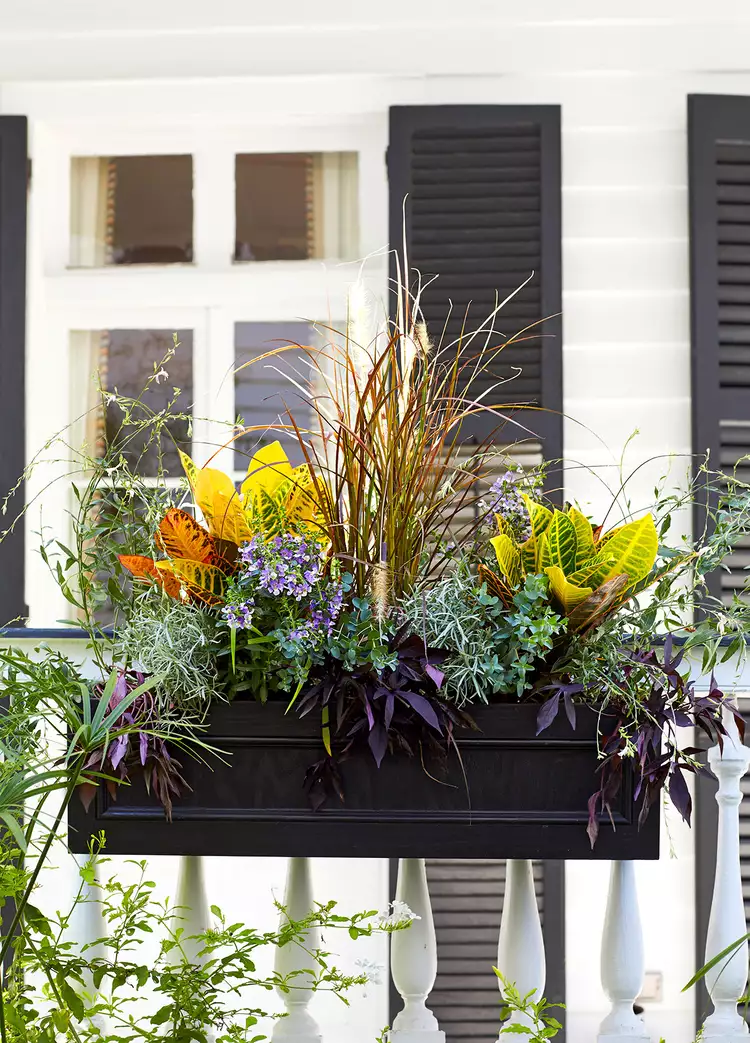
19 Colorful Window Box Ideas to Brighten Up Your Exterior
3K
301
48

19 Colorful Window Box Ideas to Brighten Up Your Exterior

Use these window box ideas for a no-fail way to dress up your home. We share the right plant combinations to create maximum curb appeal.
Container Gardening for Beginners: 10 Must-Know Tips
46.3K
1.4K
416

Container Gardening for Beginners: 10 Must-Know Tips

Use these container gardening tips for beginners to successfully grow potted plants outdoors.
9 Colorful Plants That Will Thrive on Your Balcony
12.2K
489
58

9 Colorful Plants That Will Thrive on Your Balcony

These balcony plants adapt well to life in a container, and hold up well in the increased heat and wind of their elevated location.
How to Plant and Grow Lisianthus
2.4K
118
47

How to Plant and Grow Lisianthus

Lisianthus flowers come in various romantic colors and add an elegant touch to any garden or floral arrangement.
How to Plant and Grow a Christmas Fern
10.1K
606
254

How to Plant and Grow a Christmas Fern

Learn how to grow Christmas fern, an evergreen perennial that is leafy and green in the deepest winter.
How to Plant and Grow Perennial Peanut
22.3K
1.6K
420

How to Plant and Grow Perennial Peanut

Learn how to grow perennial peanuts for erosion control, weed suppression, and a low maintenance lawn.
How to Prune Roses for Healthier Plants and More Flowers
7.3K
220
105

How to Prune Roses for Healthier Plants and More Flowers

Learn how to prune roses properly so you can keep your rose shrubs, climbers, heirlooms, or modern hybrid roses looking their best through the years.
Garden Privacy Ideas that Incorporate Landscaping and Hardscaping
10.1K
101
43

Garden Privacy Ideas that Incorporate Landscaping and Hardscaping

Check out these garden privacy ideas that include landscaping and hardscaping for creating a beautiful and private oasis in your yard.
How to Prune Basil to Boost Your Harvest
35.5K
354
169

How to Prune Basil to Boost Your Harvest

Learn how to prune basil correctly to delay flowering, encourage more leaves to grow, and take cuttings.
How to Plant and Grow Pineapple Sage
9.5K
569
91

How to Plant and Grow Pineapple Sage

Read this guide to learn how to plant and grow pineapple sage in herb gardens or pollinator habitats!
13 Fast-Growing Trees for a Privacy Screen in Your Yard
42.4K
423
59

13 Fast-Growing Trees for a Privacy Screen in Your Yard

Plant these fast-growing trees and enjoy the beauty—and privacy—of a lush living fence in just a few years.
How to Plant and Grow Purple Hyacinth Bean Vine
33.2K
3.3K
331

How to Plant and Grow Purple Hyacinth Bean Vine

Learn how to grow purple hyacinth bean vine, including planting and care tips, dealing with pests, and propagation.
30 Best Native Plants for Southern Gardens That Thrive in the Heat
11.5K
461
207

30 Best Native Plants for Southern Gardens That Thrive in the Heat

Discover the best native plants for Southern gardens that thrive in local climates. Enhance your landscape with these beautiful, low-maintenance, and eco-friendly options.
Best Plants for Mississippi Landscapes
10K
400
80

Best Plants for Mississippi Landscapes

These award-winning plants are proven successes in landscapes throughout Mississippi and the South.
What Are Cover Crops? And How to Plant Them in Your Home Garden
46.4K
2.8K
1.4K

What Are Cover Crops? And How to Plant Them in Your Home Garden

These step-by-step instructions will help you feed your soil and beat weeds naturally.
How to Make a Mowing Strip
16.4K
655
235

How to Make a Mowing Strip

Leave a 6- to 12-inch-wide mowing strip between the edge of your beds and borders and the lawn. It will help you save time and effort in the garden.
What You Need to Know About Winterizing a Lawn
11.7K
701
196

What You Need to Know About Winterizing a Lawn

Get a jumpstart on a lush, healthy lawn next spring with this guide on winterizing a lawn. Plus, get your lawn mower ready for winter storage.
Enjoy Homegrown Produce With This Large-Scale Vegetable Garden Plan
49.8K
2.5K
1.2K

Enjoy Homegrown Produce With This Large-Scale Vegetable Garden Plan

If you've never planted a large vegetable garden before, you'll want to try out our large vegetable garden layout plans. We'll help you know how to select cold season vs. warm season vegetables and where to plant them for maximum effect.
This Easy-Care Butterfly Garden Plan Will Attract Tons of Pollinators
31.8K
1.6K
636

This Easy-Care Butterfly Garden Plan Will Attract Tons of Pollinators

Use this gorgeous butterfly garden plan to create a bed of flowers that will bring beautiful and beneficial insects to your garden.
This Annual Garden for Full Sun Will Fill Your Yard with Color
17.9K
715
164

This Annual Garden for Full Sun Will Fill Your Yard with Color

Create an easy-care bed of flowers that will look gorgeous from spring until frost.