How to Propagate a Rubber Plant Successfully

8K
481
57
2025-10-27
How to Propagate a Rubber Plant Successfully

A rubber plant (Ficus elastica) is an easy-care houseplant that can be propagated by air layering or stem cuttings. In only a few weeks, you can make new plants to give away to friends or keep to create the indoor jungle of your dreams. Rubber plants of all sizes, shapes, and color patterns can be propagated, but the techniques in this guide are especially helpful when you've got an overgrown plant you'd like to cut down to size. Use these step-by-step instructions to get started with propagating your rubber plants.

When to Propagate a Rubber Plant

Spring or early summer is an excellent time to propagate rubber plants because that is when they typically put on new, vigorous growth. Make sure the rubber plant you want to propagate is healthy and free of pests and diseases.

Air Layering

While air layering might sound like flight terminology or something weather-related, it is a plant propagation technique used for plants with stiff stems, like rubber plants. Air layering involves removing an outer layer of a stem, which spurs the plant to develop roots in that area. After the roots develop, the newly rooted stem can be snipped off and planted, creating a brand-new rubber plant.

Don’t let the multiple steps involved in air layering intimidate you. This propagation method is simple and highly successful when you follow these steps.

Tools and supplies: Sharp knife, rooting hormone, sphagnum moss, clear plastic wrap, container, and potting soil.

1. Choose the stem.

Select a point on a vigorously growing stem about 12 to 18 inches from the shoot tip. Remove any leaves in the immediate area.

2. Wound the stem.

Using a sharp knife, cut completely around the stem, penetrating to the woody center of the stem but not severing it from the plant. One inch below the first cut, make a second cut completely around the stem. Make a third vertical cut connecting the first two cuts. Finally, remove the ring of bark between the first two cuts.

3. Prepare the stem.

With the edge of a sharp knife, scrape the exposed woody surface, removing any soft tissue remaining. Dust a small amount of rooting hormone powder on the exposed surface. Rooting hormone powder is available at garden centers.

4. Wrap with sphagnum moss.

Thoroughly moisten a handful or two of sphagnum moss. Wring it out and wrap it around the wounded area of the stem.

5. Cover with plastic wrap.

Wrap a piece of clear plastic, such as a cut-up food storage bag, around the sphagnum moss, making sure all the moss is enclosed in the plastic wrap. Secure the plastic wrap to the stem with twist ties at both ends of the sphagnum moss.

6. Monitor moisture.

Check the sphagnum moss every couple of days to ensure it stays moist. If it dries out, it will appear lighter in color and feel dry to the touch. If the moss dries out, remove the top twist tie and sprinkle water on it until it is moist again. Then, replace the plastic wrap cover and twist tie.

7. Look for roots.

Roots should be visible in the sphagnum moss about four to six weeks after air layering. Allow the roots to continue developing in the sphagnum moss wrap until they are several inches long, which can take anywhere from four to eight weeks.

8. Prepare for potting.

When the new roots are several inches long, cut the stem off the plant just below the bottom twist tie using a sharp pair of pruners.

9. Pot the new plant.

Remove the twist ties and plastic wrap, and plant the new rubber plant in a container filled with potting soil. Leave the sphagnum moss in place around the root system; the moss will decompose over time.

Stem Cuttings

Stem cuttings are fast and easy. This propagation method is not only effective for a rubber plant but also for begonia, geranium, poinsettia, and coleus, among many other plants that can be replicated by stem cutting.

Tools and supplies: sharp knife or pruners, rooting hormone, container, soilless potting mix.

1. Select a stem.

The best rubber plant stem for propagating is a vigorously growing branch. Look for a branch that has several leaves and flexible new growth at the tip.

2. Cut the stem below a leaf.

Use pruners to snip a 6-inch or so length of stem, cutting just below a leaf.

3 Remove some leaves.

Using pruners, snip away the leaves on the lower half of the stem.

4. Dip in rooting hormone.

Dip the lower 2 inches of the stem in rooting hormone. The rooting hormone is not necessary, but it speeds the rooting process.

5. Pot the cutting.

Fill a small container with soilless potting mix and gently pot the cutting. Water it well and place it in a warm, bright location. Water when the top of the soil is dry to the touch. Expect roots to form in about three weeks.
Frequently Asked Questions

  • Can I air layer several stems on one rubber plant?

    Yes, one vigorously growing rubber plant can likely support two or three stems being air layered at the same time. Air layer only one time per stem.

  • Can I root rubber plants in water?

    Water propagation is rarely successful with rubber plants. Often, disease sets in before the plant has rooted in water.

  • Can I propagate my rubber plant in a season other than spring or early summer?

    Yes. Rubber plants are usually actively growing in spring and early summer and will quickly form new roots during the propagation process. Air layering and stem cuttings outside this window will likely be successful, but it will take more time to produce new roots.

Related Article

19 Colorful Window Box Ideas to Brighten Up Your Exterior
3K
301
48

19 Colorful Window Box Ideas to Brighten Up Your Exterior

Use these window box ideas for a no-fail way to dress up your home. We share the right plant combinations to create maximum curb appeal.
Container Gardening for Beginners: 10 Must-Know Tips
46.3K
1.4K
416

Container Gardening for Beginners: 10 Must-Know Tips

Use these container gardening tips for beginners to successfully grow potted plants outdoors.
9 Colorful Plants That Will Thrive on Your Balcony
12.2K
489
58

9 Colorful Plants That Will Thrive on Your Balcony

These balcony plants adapt well to life in a container, and hold up well in the increased heat and wind of their elevated location.
How to Plant and Grow Lisianthus
2.4K
118
47

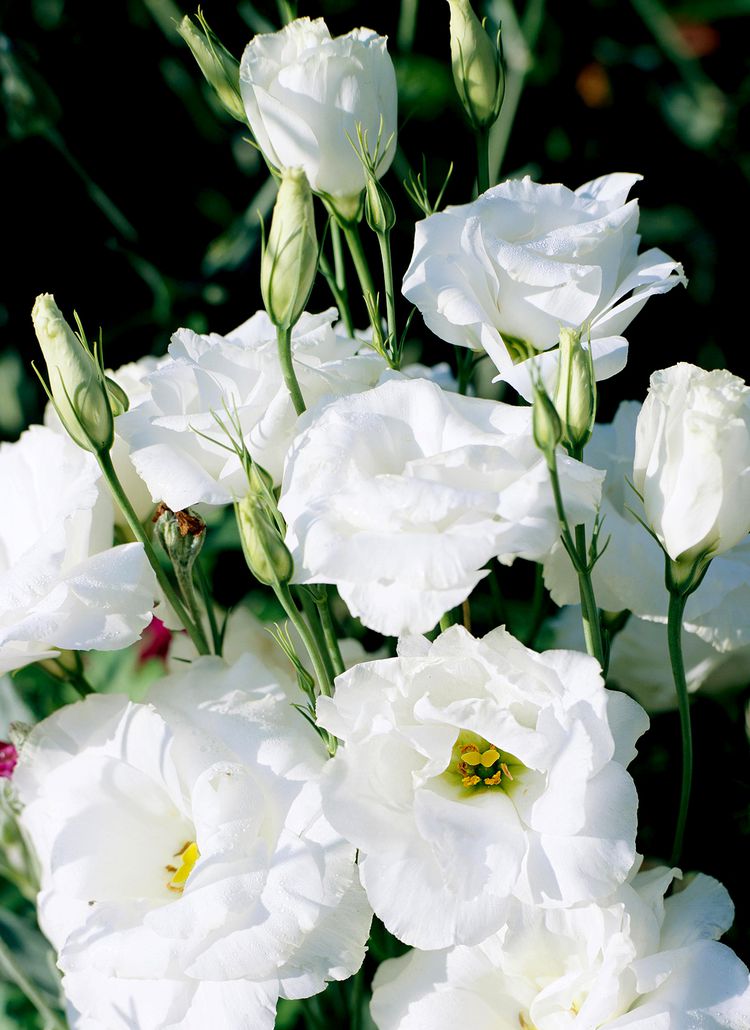
How to Plant and Grow Lisianthus

Lisianthus flowers come in various romantic colors and add an elegant touch to any garden or floral arrangement.
How to Plant and Grow a Christmas Fern
10.1K
606
254

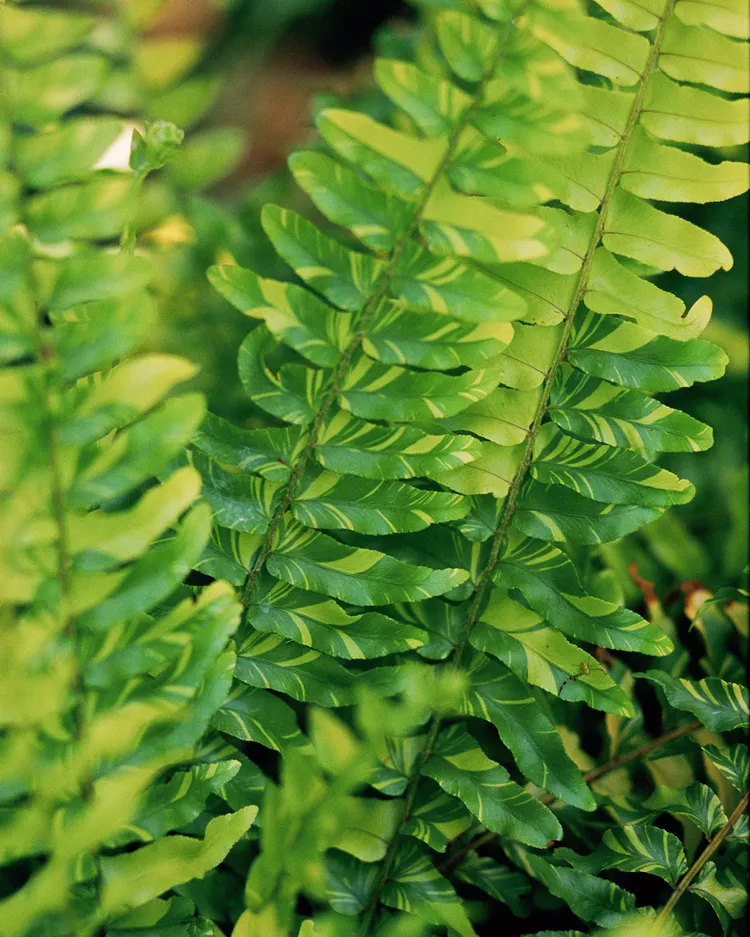
How to Plant and Grow a Christmas Fern

Learn how to grow Christmas fern, an evergreen perennial that is leafy and green in the deepest winter.
How to Plant and Grow Perennial Peanut
22.3K
1.6K
420

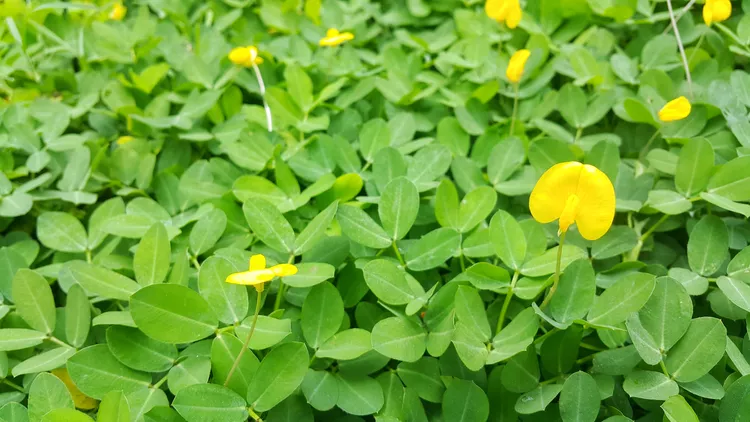
How to Plant and Grow Perennial Peanut

Learn how to grow perennial peanuts for erosion control, weed suppression, and a low maintenance lawn.
How to Prune Roses for Healthier Plants and More Flowers
7.3K
220
105

How to Prune Roses for Healthier Plants and More Flowers

Learn how to prune roses properly so you can keep your rose shrubs, climbers, heirlooms, or modern hybrid roses looking their best through the years.
Garden Privacy Ideas that Incorporate Landscaping and Hardscaping
10.1K
101
43

Garden Privacy Ideas that Incorporate Landscaping and Hardscaping

Check out these garden privacy ideas that include landscaping and hardscaping for creating a beautiful and private oasis in your yard.
How to Prune Basil to Boost Your Harvest
35.5K
354
169

How to Prune Basil to Boost Your Harvest

Learn how to prune basil correctly to delay flowering, encourage more leaves to grow, and take cuttings.
How to Plant and Grow Pineapple Sage
9.5K
569
91

How to Plant and Grow Pineapple Sage

Read this guide to learn how to plant and grow pineapple sage in herb gardens or pollinator habitats!
13 Fast-Growing Trees for a Privacy Screen in Your Yard
42.4K
423
59

13 Fast-Growing Trees for a Privacy Screen in Your Yard

Plant these fast-growing trees and enjoy the beauty—and privacy—of a lush living fence in just a few years.
How to Plant and Grow Purple Hyacinth Bean Vine
33.2K
3.3K
331

How to Plant and Grow Purple Hyacinth Bean Vine

Learn how to grow purple hyacinth bean vine, including planting and care tips, dealing with pests, and propagation.
30 Best Native Plants for Southern Gardens That Thrive in the Heat
11.5K
461
207

30 Best Native Plants for Southern Gardens That Thrive in the Heat

Discover the best native plants for Southern gardens that thrive in local climates. Enhance your landscape with these beautiful, low-maintenance, and eco-friendly options.
Best Plants for Mississippi Landscapes
10K
400
80

Best Plants for Mississippi Landscapes

These award-winning plants are proven successes in landscapes throughout Mississippi and the South.
What Are Cover Crops? And How to Plant Them in Your Home Garden
46.4K
2.8K
1.4K

What Are Cover Crops? And How to Plant Them in Your Home Garden

These step-by-step instructions will help you feed your soil and beat weeds naturally.
How to Make a Mowing Strip
16.4K
655
235

How to Make a Mowing Strip

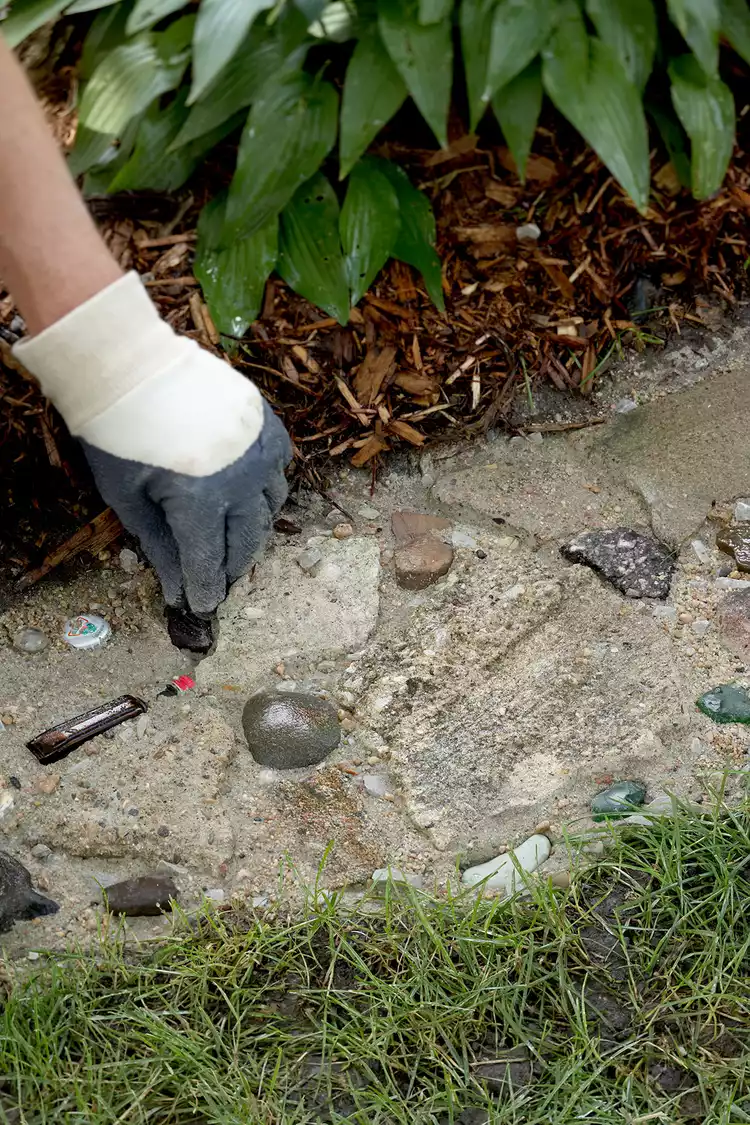
Leave a 6- to 12-inch-wide mowing strip between the edge of your beds and borders and the lawn. It will help you save time and effort in the garden.
What You Need to Know About Winterizing a Lawn
11.7K
701
196

What You Need to Know About Winterizing a Lawn

Get a jumpstart on a lush, healthy lawn next spring with this guide on winterizing a lawn. Plus, get your lawn mower ready for winter storage.
Enjoy Homegrown Produce With This Large-Scale Vegetable Garden Plan
49.8K
2.5K
1.2K

Enjoy Homegrown Produce With This Large-Scale Vegetable Garden Plan

If you've never planted a large vegetable garden before, you'll want to try out our large vegetable garden layout plans. We'll help you know how to select cold season vs. warm season vegetables and where to plant them for maximum effect.
This Easy-Care Butterfly Garden Plan Will Attract Tons of Pollinators
31.8K
1.6K
636

This Easy-Care Butterfly Garden Plan Will Attract Tons of Pollinators

Use this gorgeous butterfly garden plan to create a bed of flowers that will bring beautiful and beneficial insects to your garden.
This Annual Garden for Full Sun Will Fill Your Yard with Color
17.9K
715
164

This Annual Garden for Full Sun Will Fill Your Yard with Color

Create an easy-care bed of flowers that will look gorgeous from spring until frost.